
Christmas Markets in Roubaix
Explore on the Map
Click on a marker to view market details
Loading map...
Discover Roubaix
Explore the magical atmosphere of Roubaix's Christmas markets
Plan Your Visit to Roubaix
Getting There
Where to Stay
Other Attractions
History & Culture
Roubaix rose to prominence during the nineteenth century as one of Europe's most productive textile manufacturing cities, earning it the nickname 'the city of a thousand chimneys.' Its fortunes were built on wool and cotton, attracting workers from across France and Belgium and forging a distinctly industrious, multicultural identity. The decline of the textile industry in the latter twentieth century left the city facing significant economic challenges, but Roubaix has since undergone a cultural renaissance, repurposing its grand industrial architecture into museums, retail spaces, and community venues. Today the city wears its working-class heritage with pride, and its Flemish-influenced urban fabric gives it a character distinct from other French cities of comparable size. Proximity to Belgium and the broader Euroregion has long shaped local customs, cuisine, and festive traditions.
1 market • Sorted by popularity
Marché de Noël Durable de Roubaix
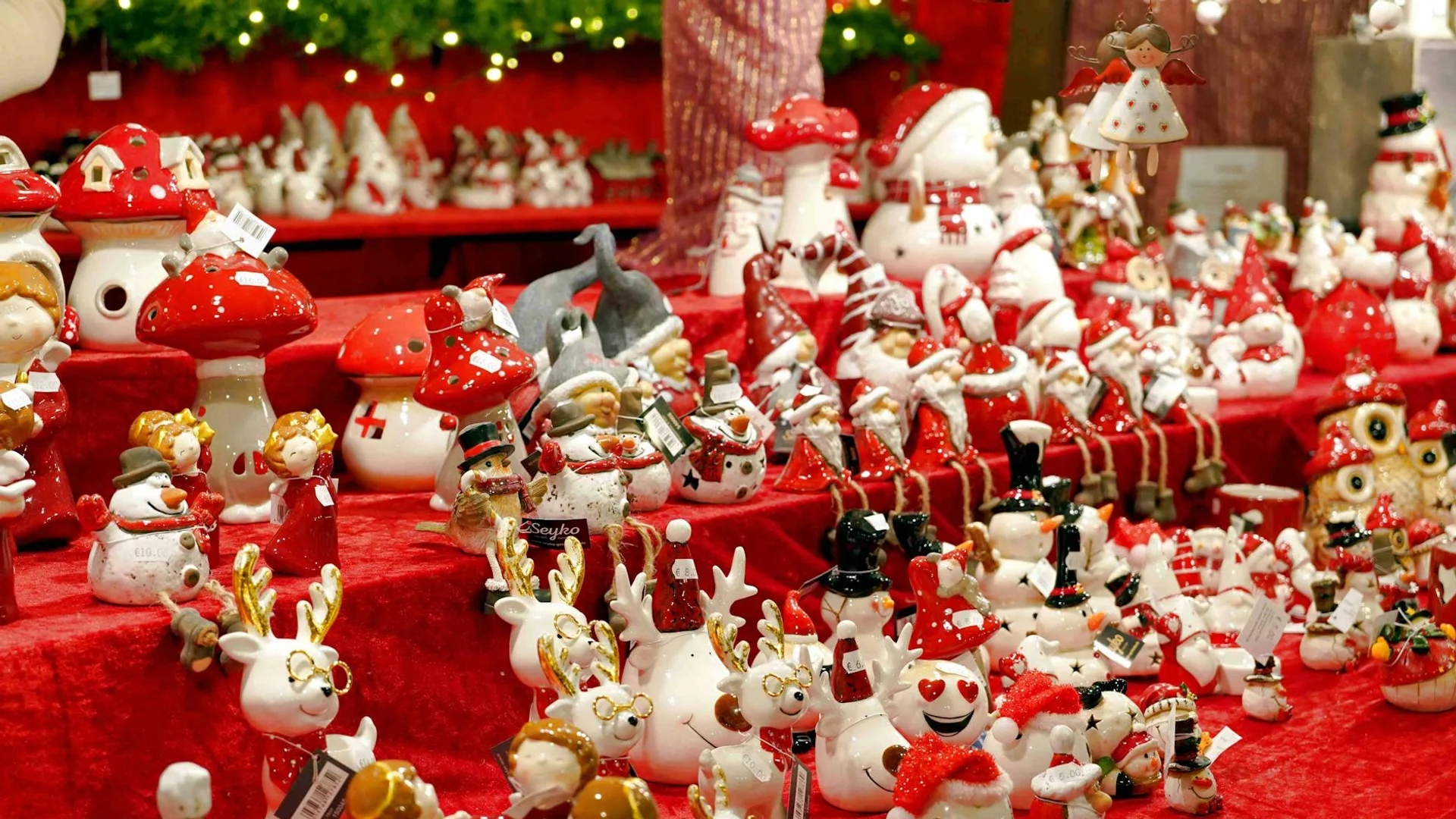
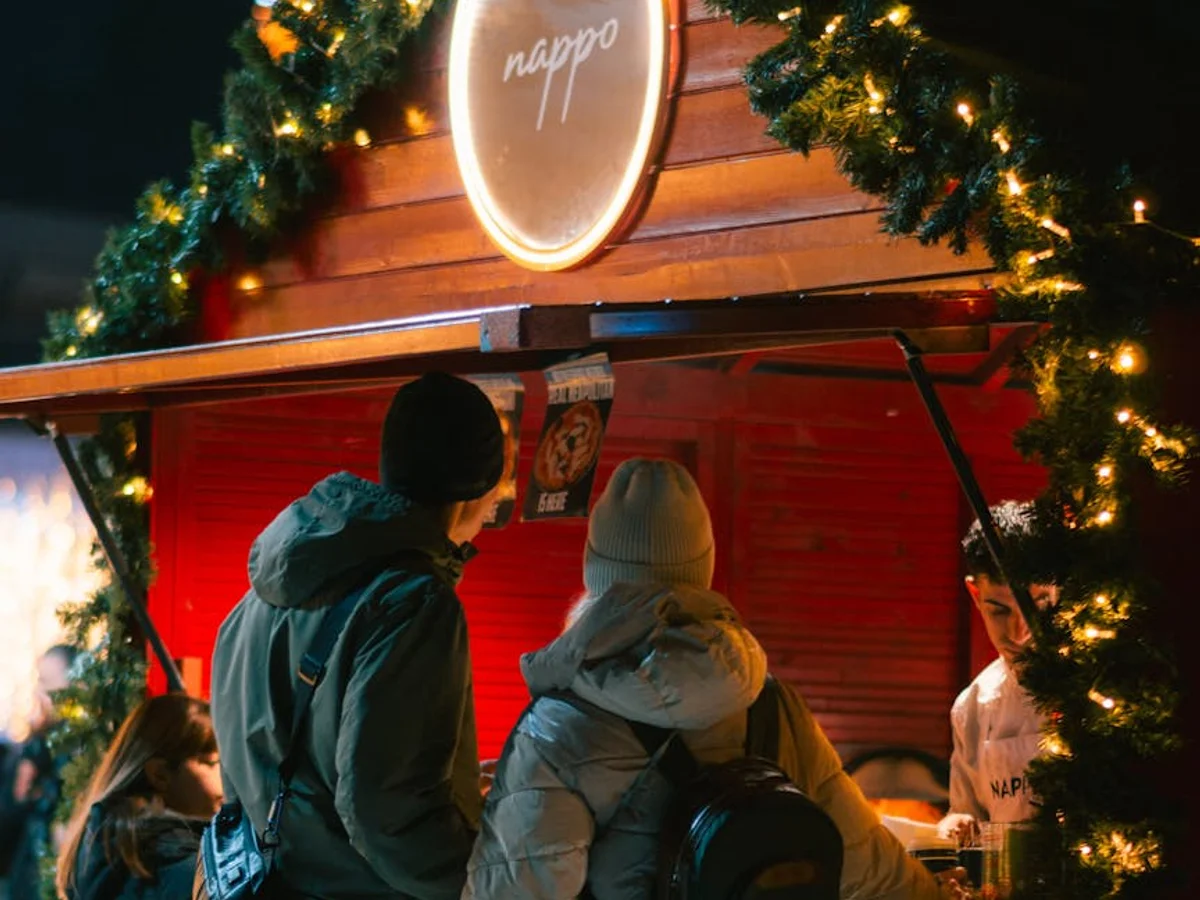
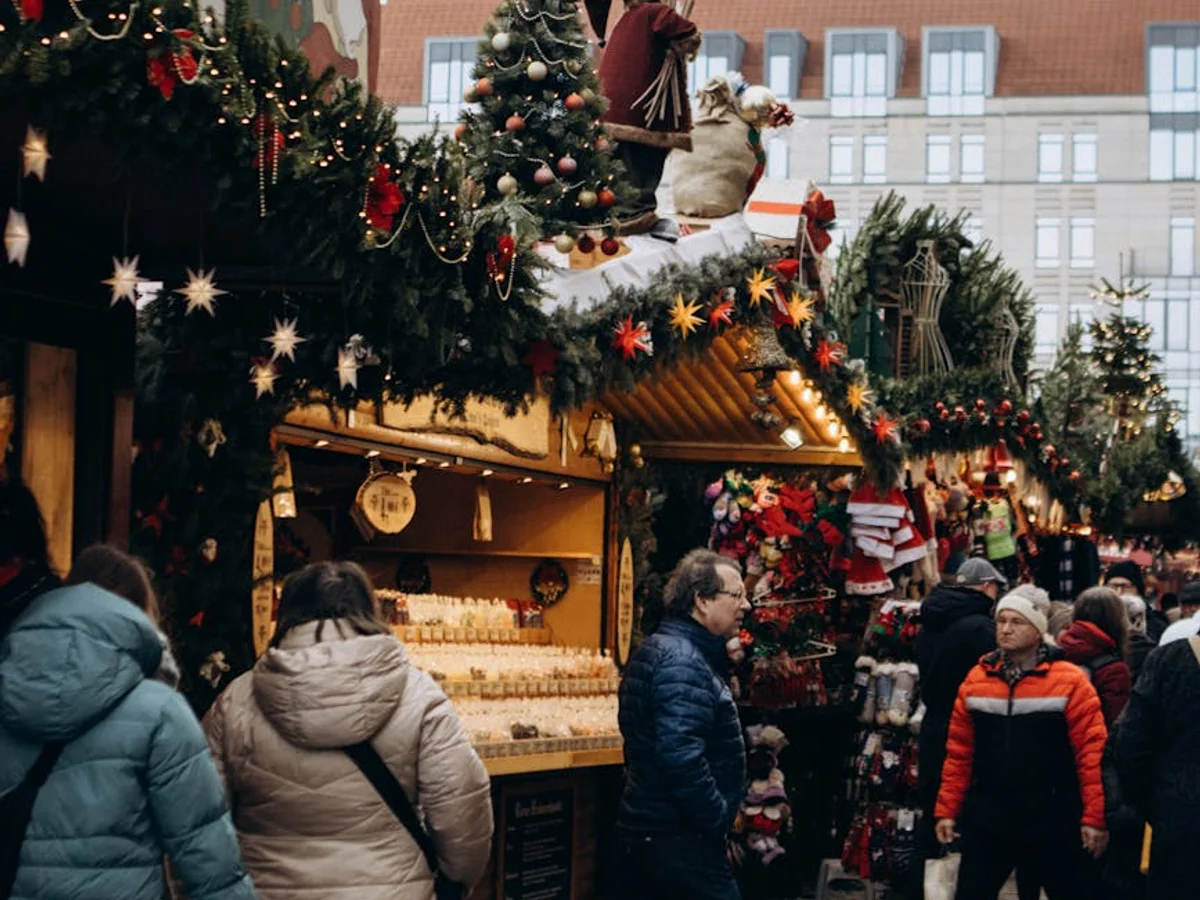
France's first sustainable Christmas market, held annually on the forecourt of the iconic La Piscine museum (a former Art Deco swimming pool from 1932) since 2015. Celebrating its 10th anniversary in 2025, the market brings together approximately 60 carefully selected exhibitors offering handmade, locally produced, and upcycled goods — from ethical textiles and wooden toys to organic food and artisanal beverages — all in keeping with Roubaix's nationally recognized 'Zero Waste' identity. Weekend programming includes live musical entertainment every Saturday, Santa Claus appearances, and creative eco-friendly workshops for children and adults.
Nearby Christmas Market Destinations
Explore other cities with Christmas markets near Roubaix
Frequently Asked Questions
When do Christmas markets in Roubaix open in 2026?
Christmas markets in Roubaix typically run from around 28 Nov to 24 Dec. Exact 2026 dates vary by market, so check each market's page for confirmed opening and closing dates.
How many Christmas markets are there in Roubaix?
Roubaix has 1 Christmas market in our directory, each with dates, locations, and visitor details to help you plan.
What are the main Christmas markets in Roubaix?
Notable Christmas markets in Roubaix include Marché de Noël Durable de Roubaix. See the full list above with dates and highlights for each.
Are Christmas markets in Roubaix free to enter?
Entry to Roubaix's Christmas markets is generally free — browsing the stalls costs nothing, though a few attractions like ice rinks may charge separately.
What food and drink can you try at Christmas markets in Roubaix?
Roubaix's Christmas markets serve seasonal favorites like mulled wine, roasted chestnuts, grilled sausages, and freshly baked festive treats, alongside regional specialties from France.
Ready to Visit Roubaix?
Discover 1 magical Christmas markets in the heart of France