
Best Christmas Markets in Germany
See our expertly ranked list of top markets with detailed reviews and ratings
Why Visit Germany?
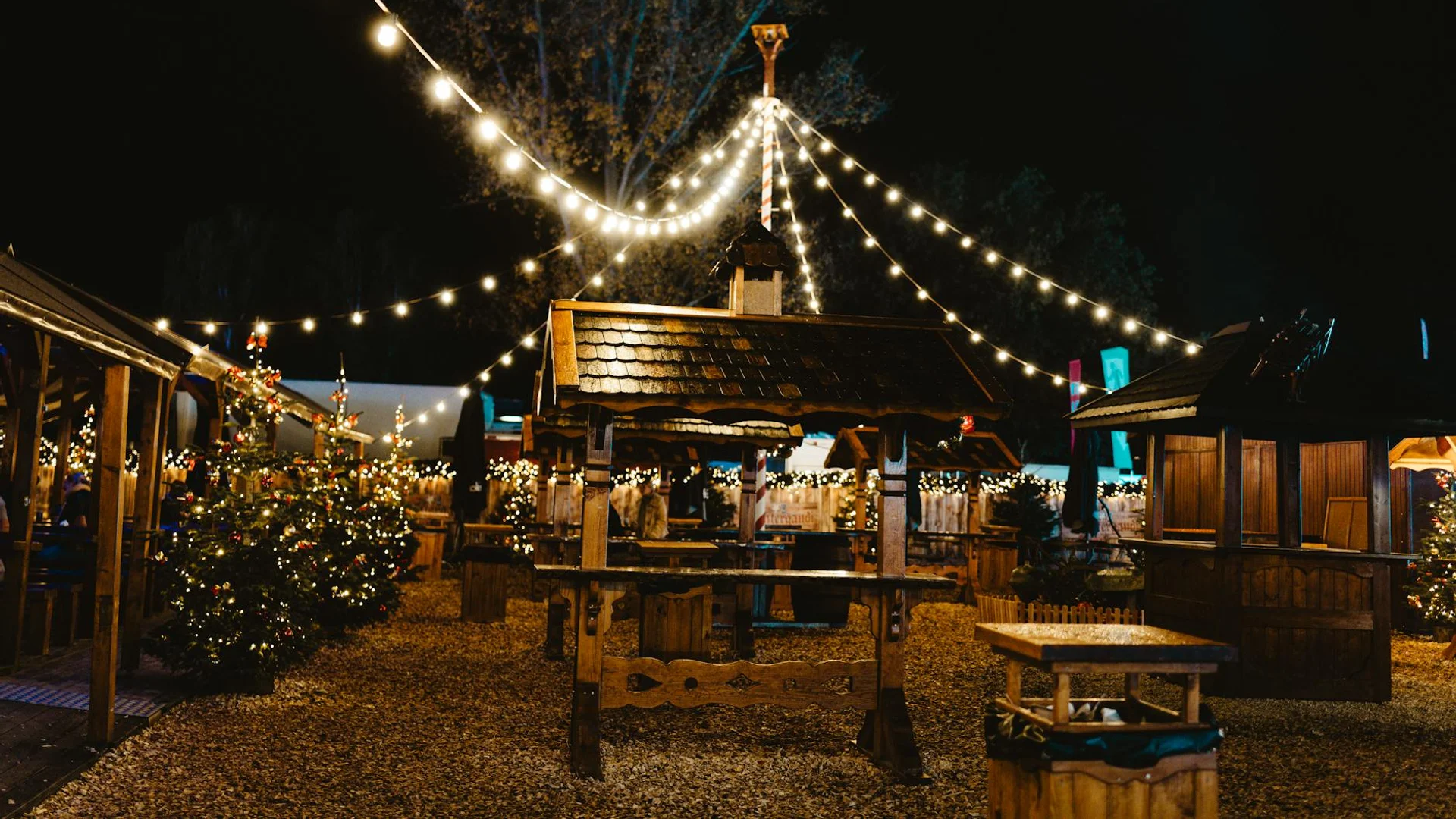
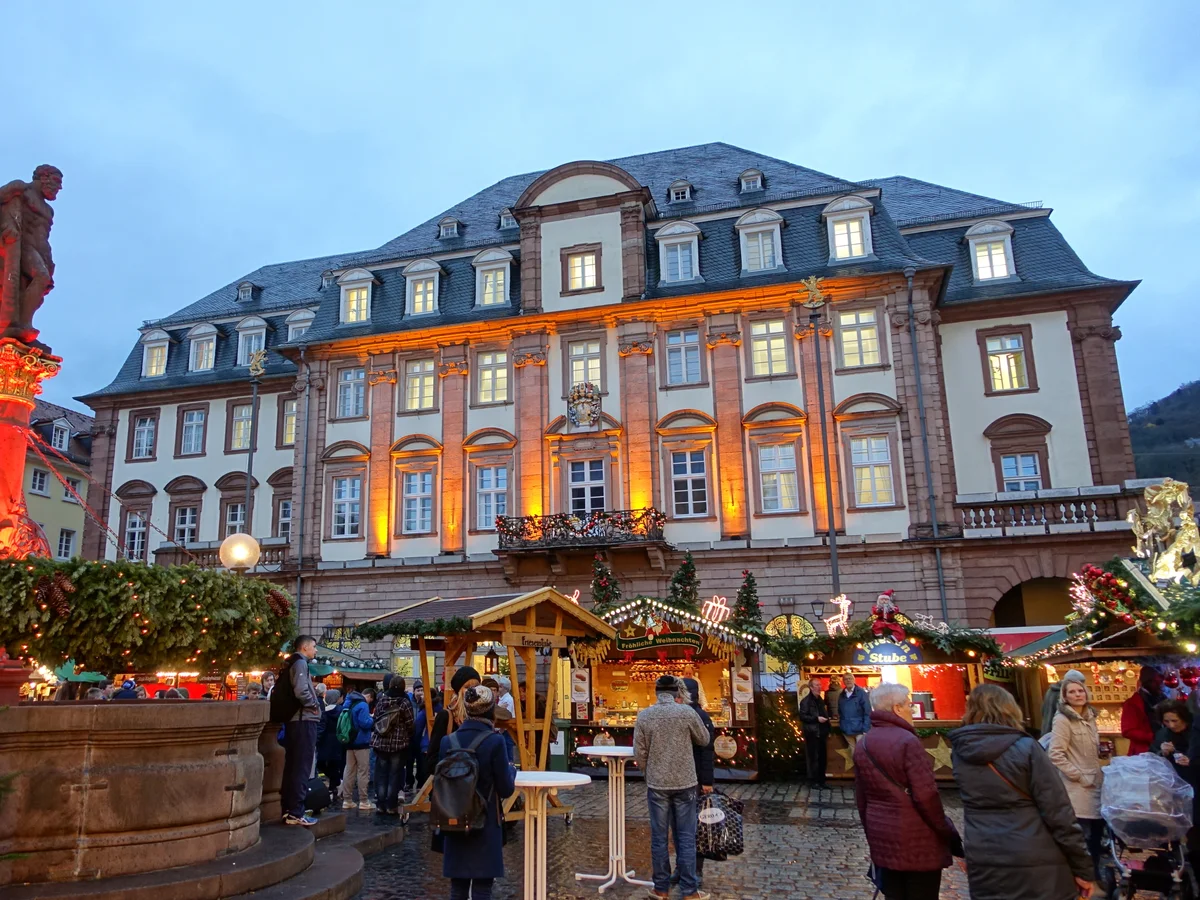
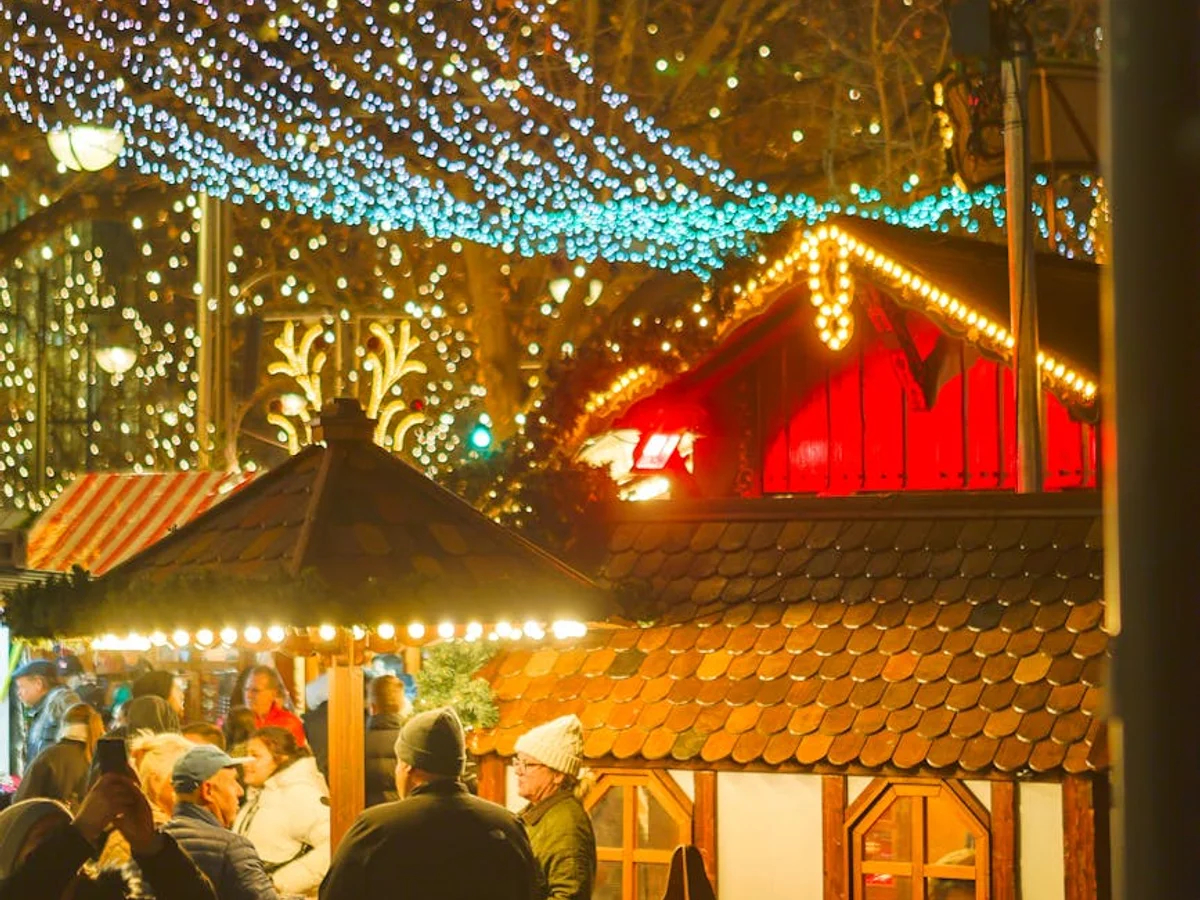
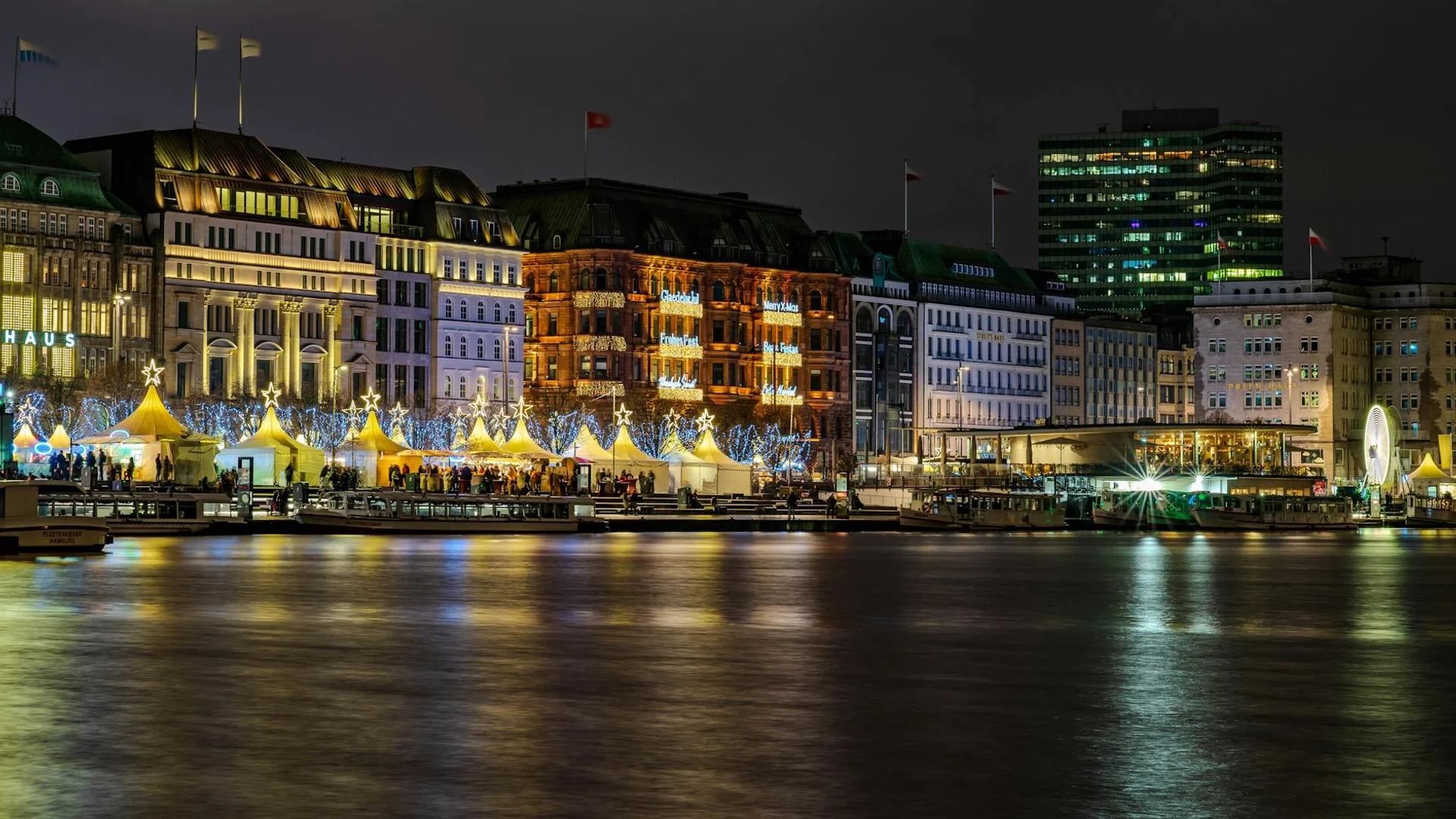
Germany is the birthplace of the Christmas market tradition, with a heritage dating back to the Late Middle Ages in the 14th and 15th centuries. German Christmas markets—known as Weihnachtsmarkt, Christkindlmarkt, or Christkindlesmarkt—transform town squares into festive celebrations filled with handcrafted goods, seasonal decorations, and traditional foods. Nuremberg's Christkindlesmarkt, one of the most famous, dates back to 1628 and draws visitors to its historic Hauptmarkt square. Dresden hosts the Striezelmarkt, while cities like Munich, Cologne, Frankfurt, and Stuttgart each offer their own distinct market traditions. The markets feature wooden stalls selling Christmas decorations with 700 years of history, including traditional items like nutcrackers and Christmas pyramids. Visitors can browse handcrafted goods while enjoying the aroma of seasonal specialties and warm drinks.
Discover Germany
Explore the charm and beauty of Germany's top Christmas market cities
Cities in Germany
Explore Christmas markets by city
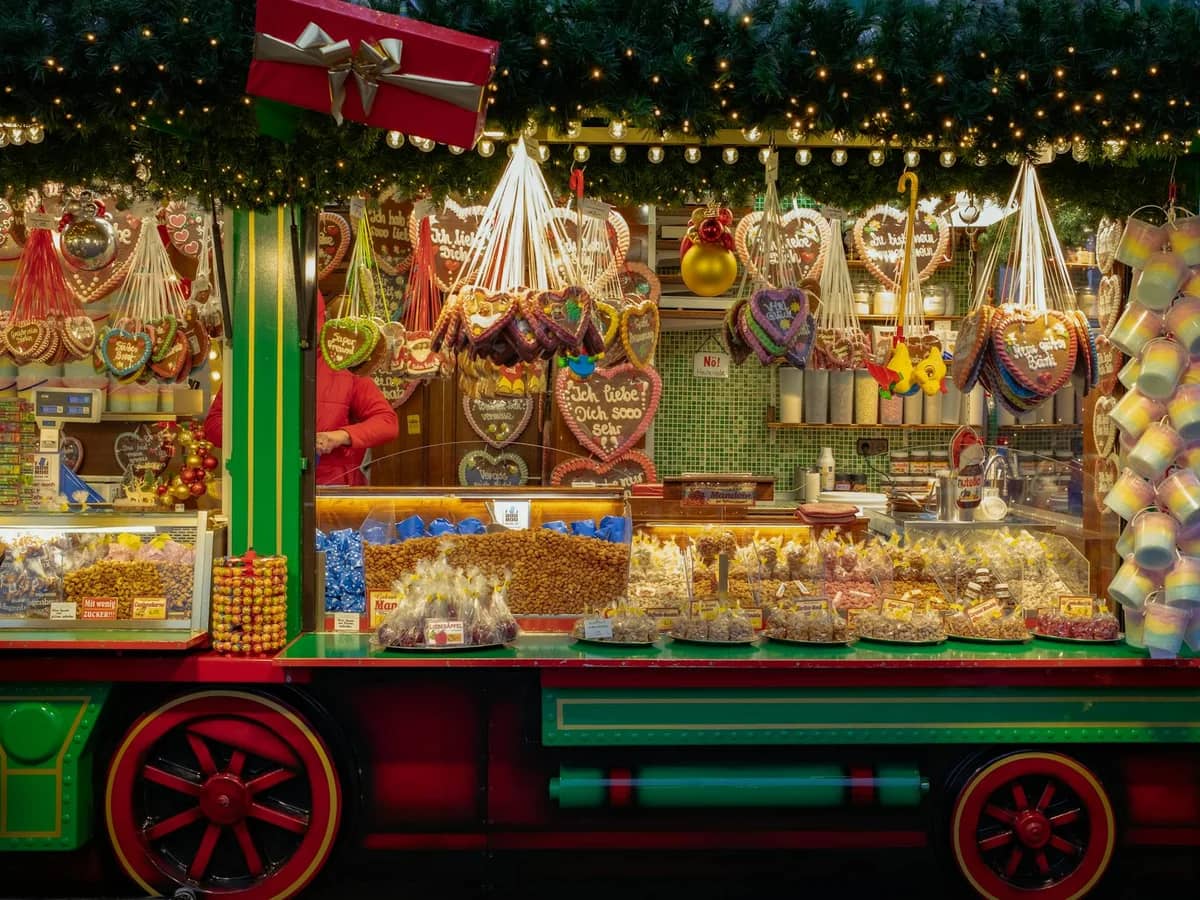
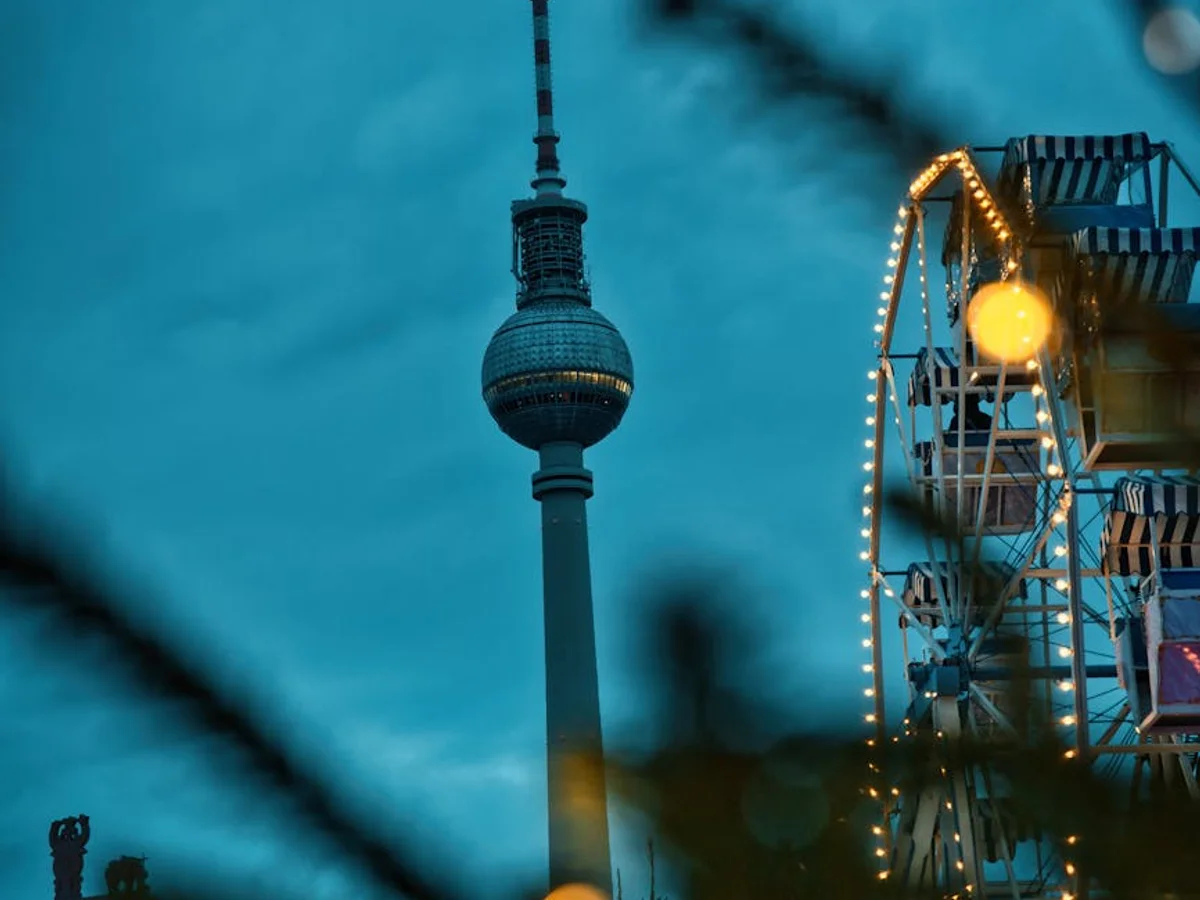
Berlin
28 Markets
Christmas markets in Berlin
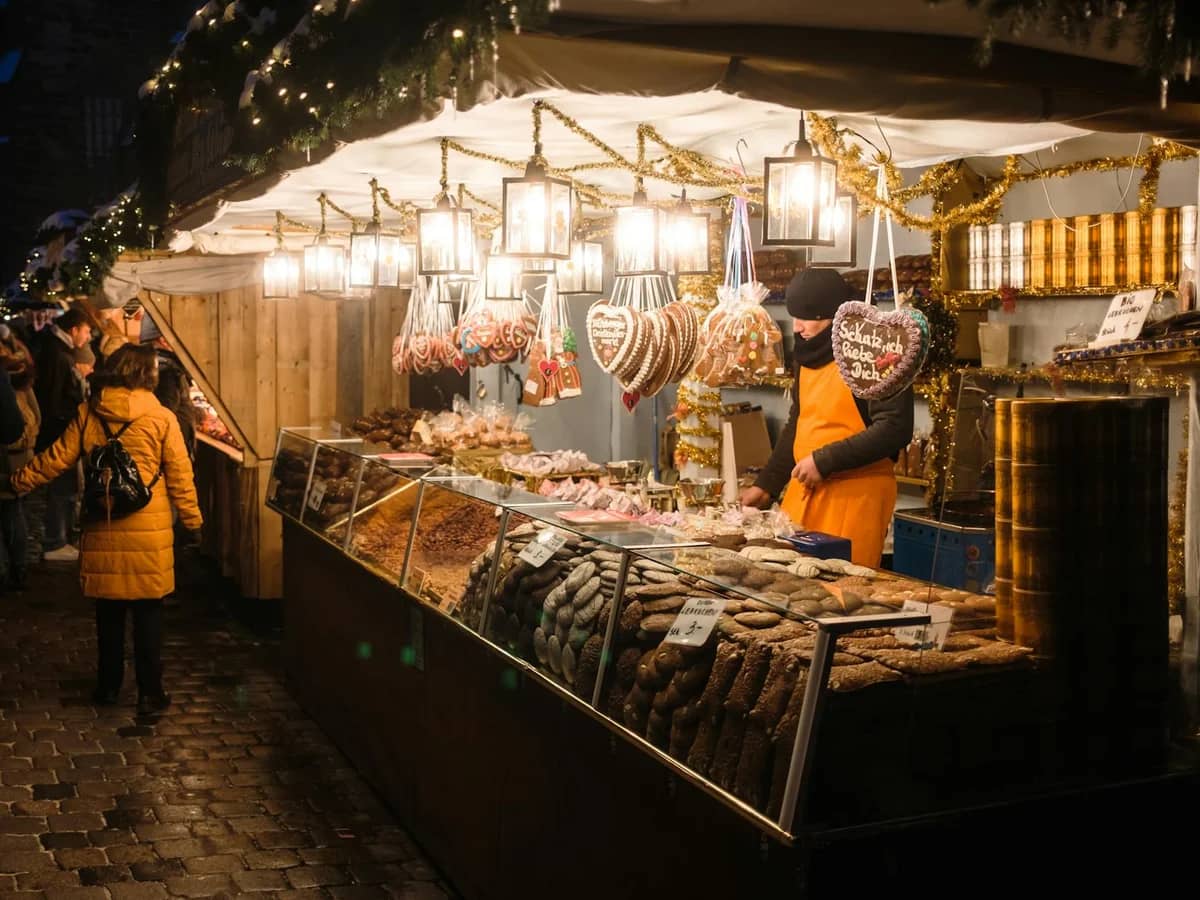
Nuremberg
5 Markets
Christmas markets in Nuremberg
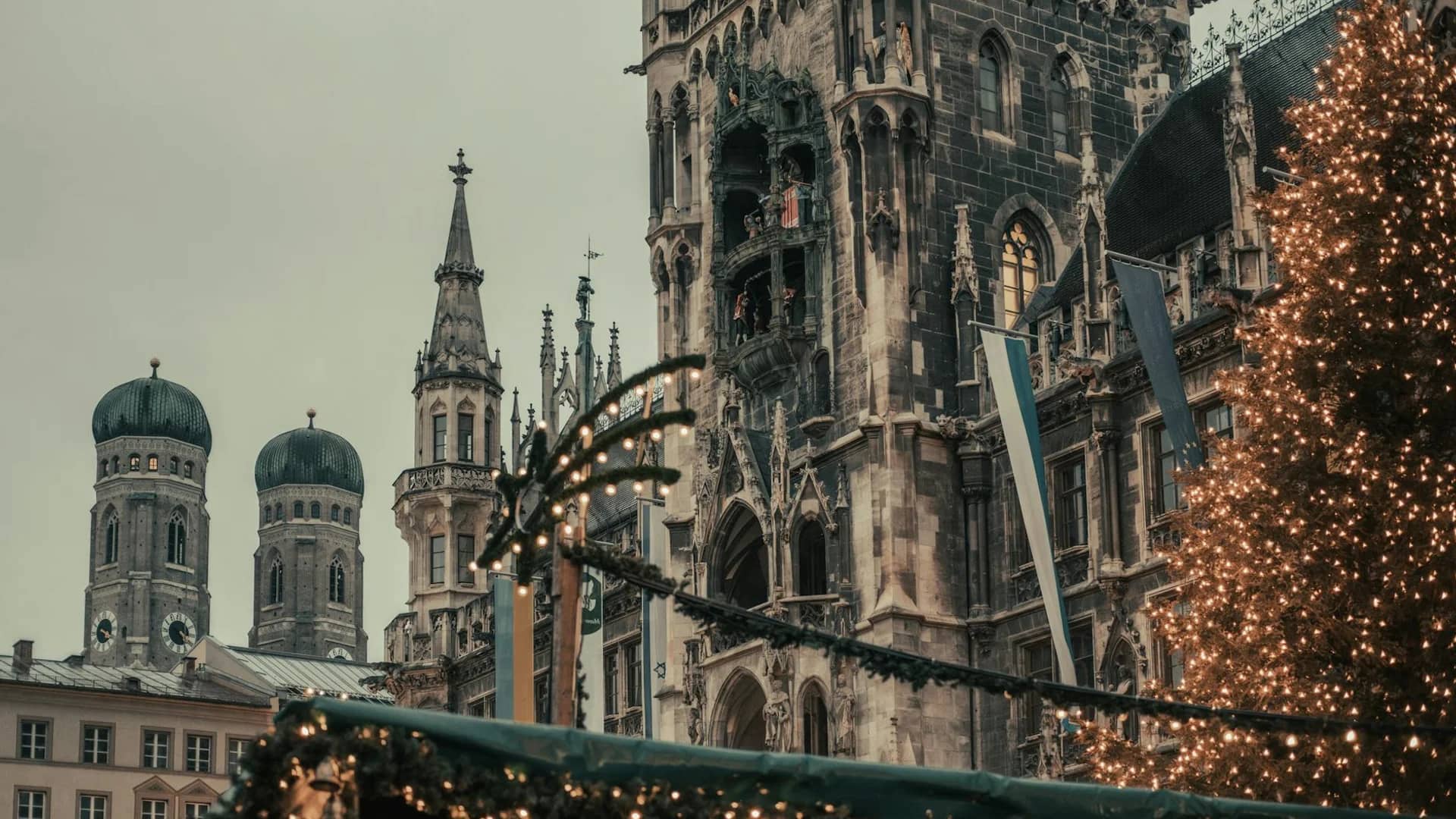
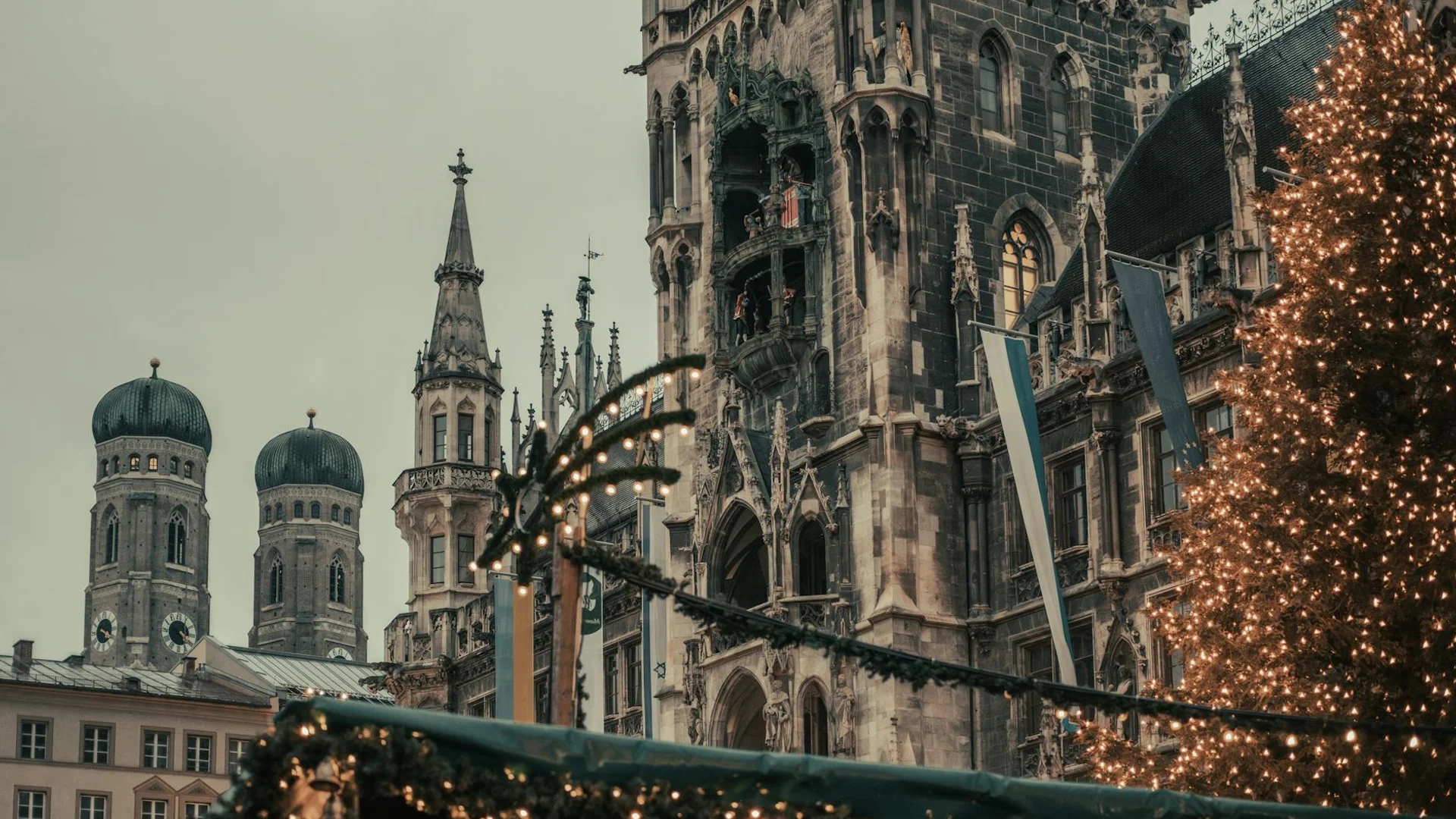
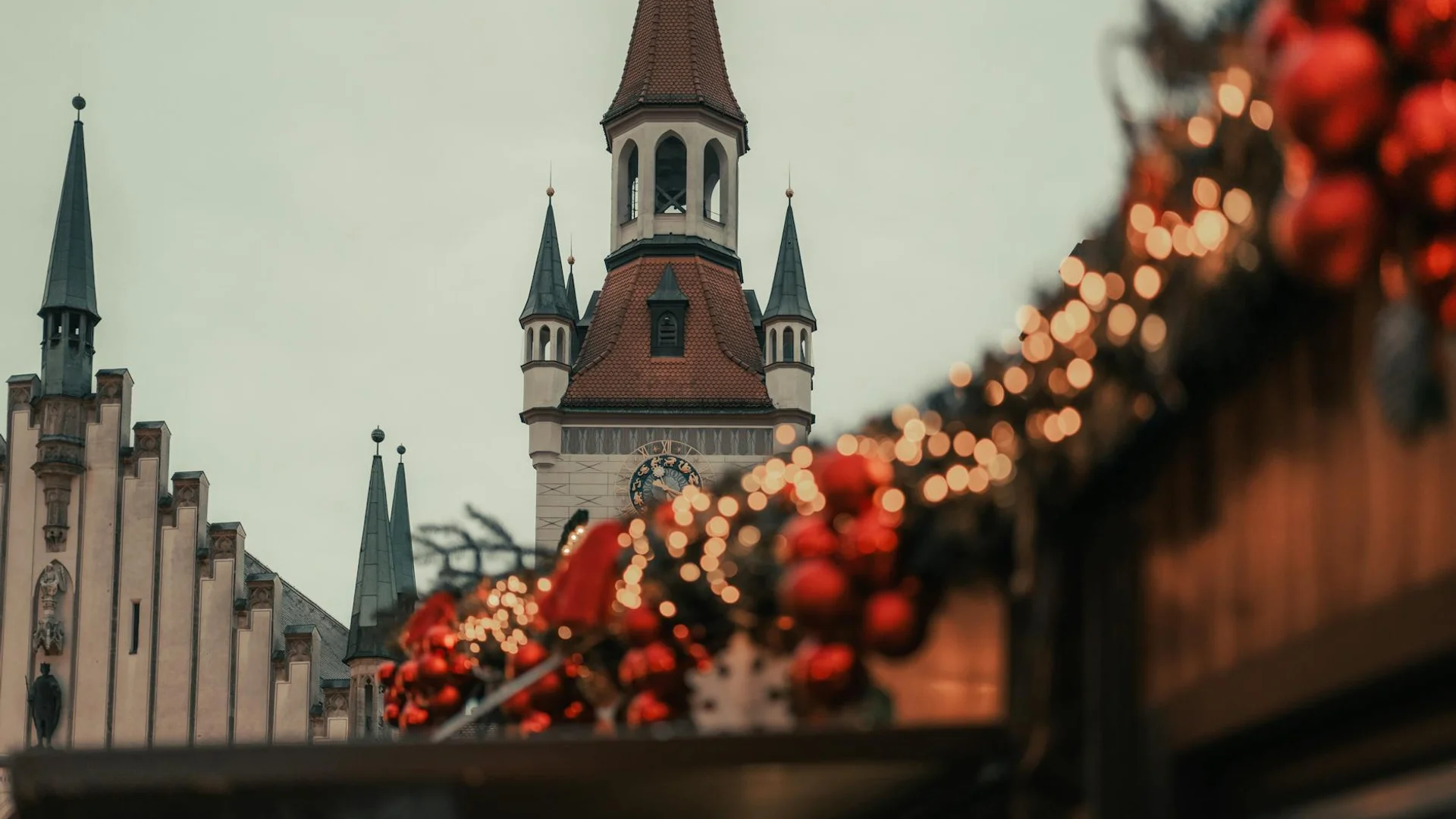
Munich
23 Markets
Christmas markets in Munich
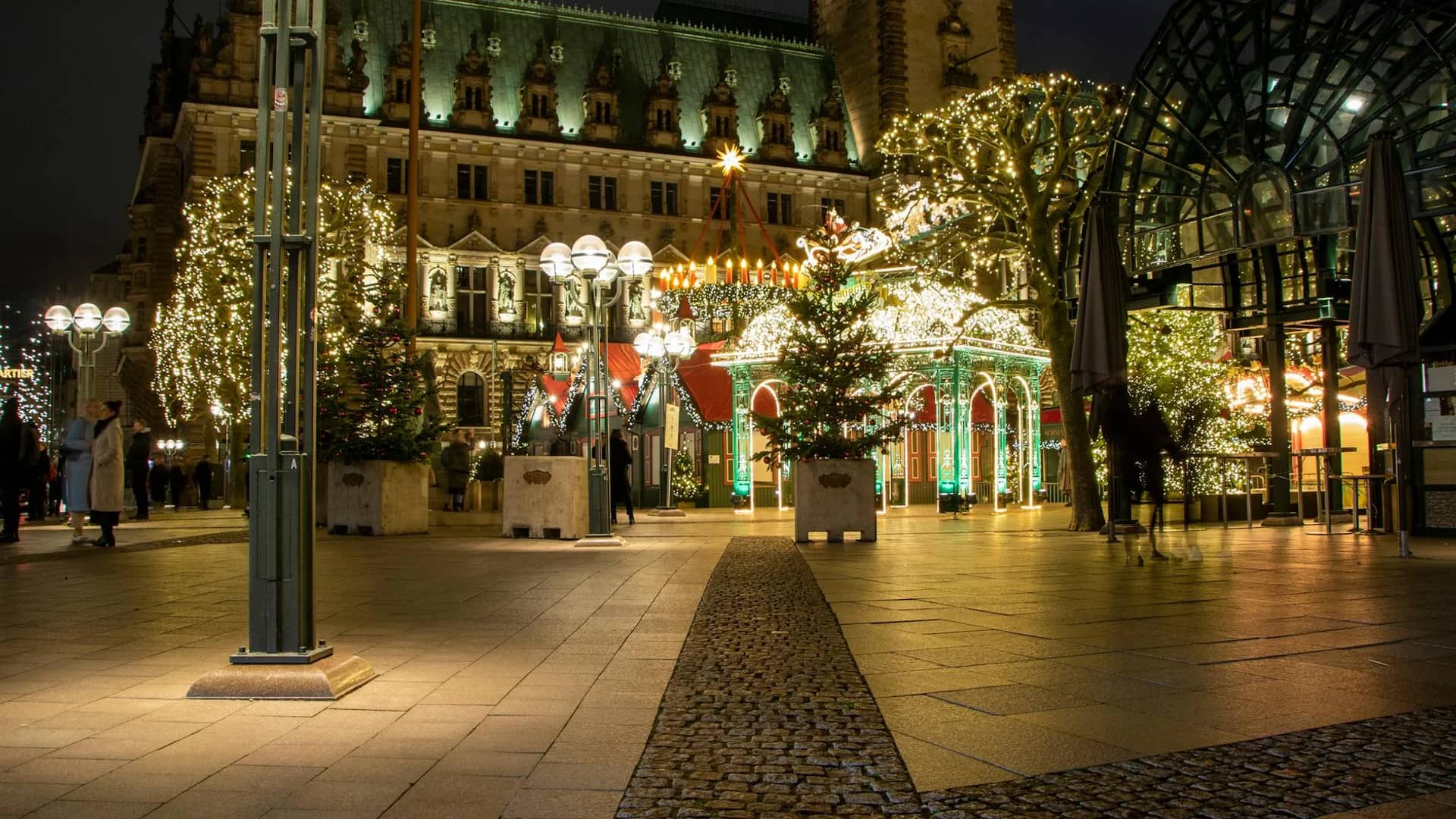
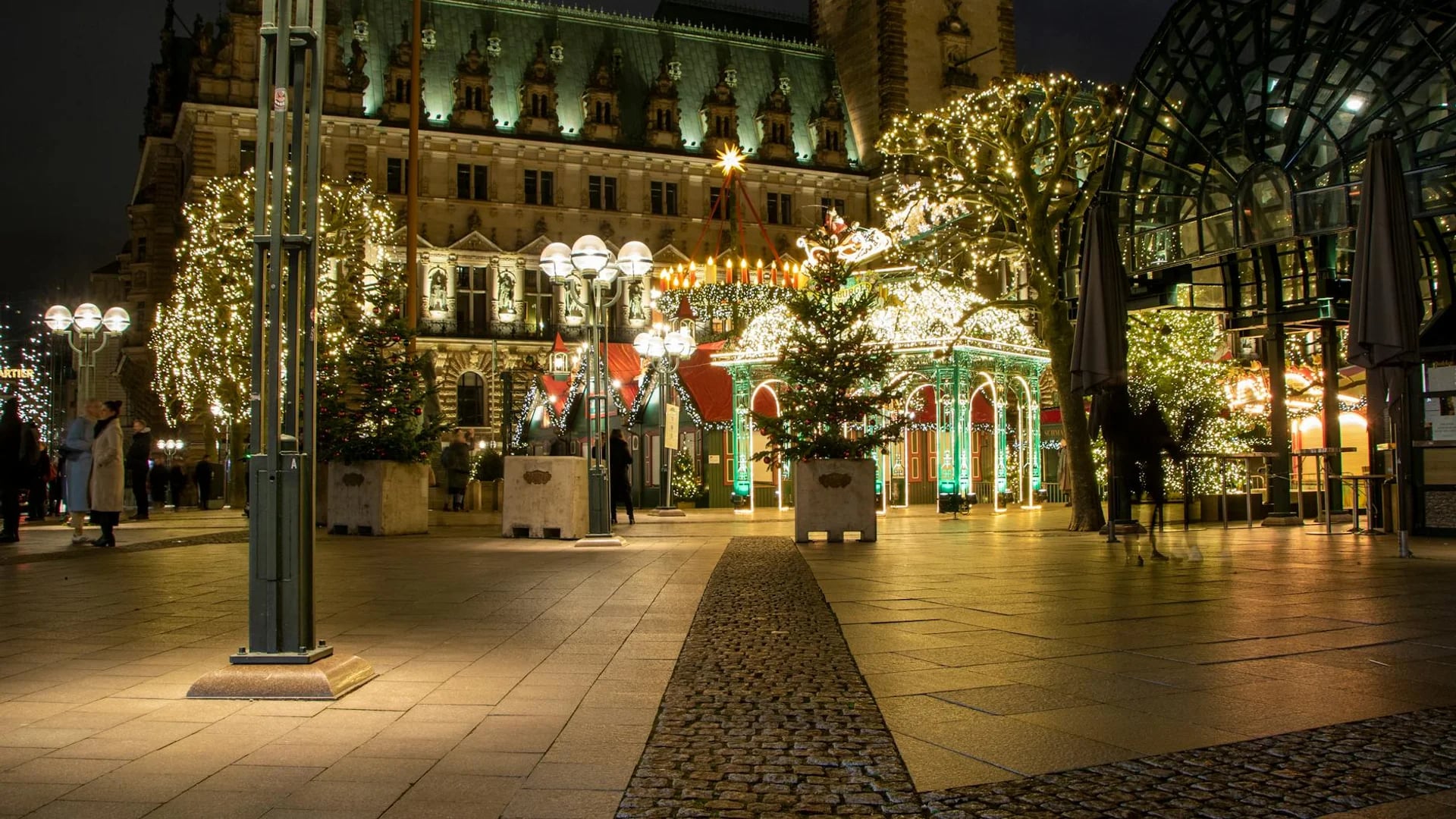
Hamburg
27 Markets
Christmas markets in Hamburg
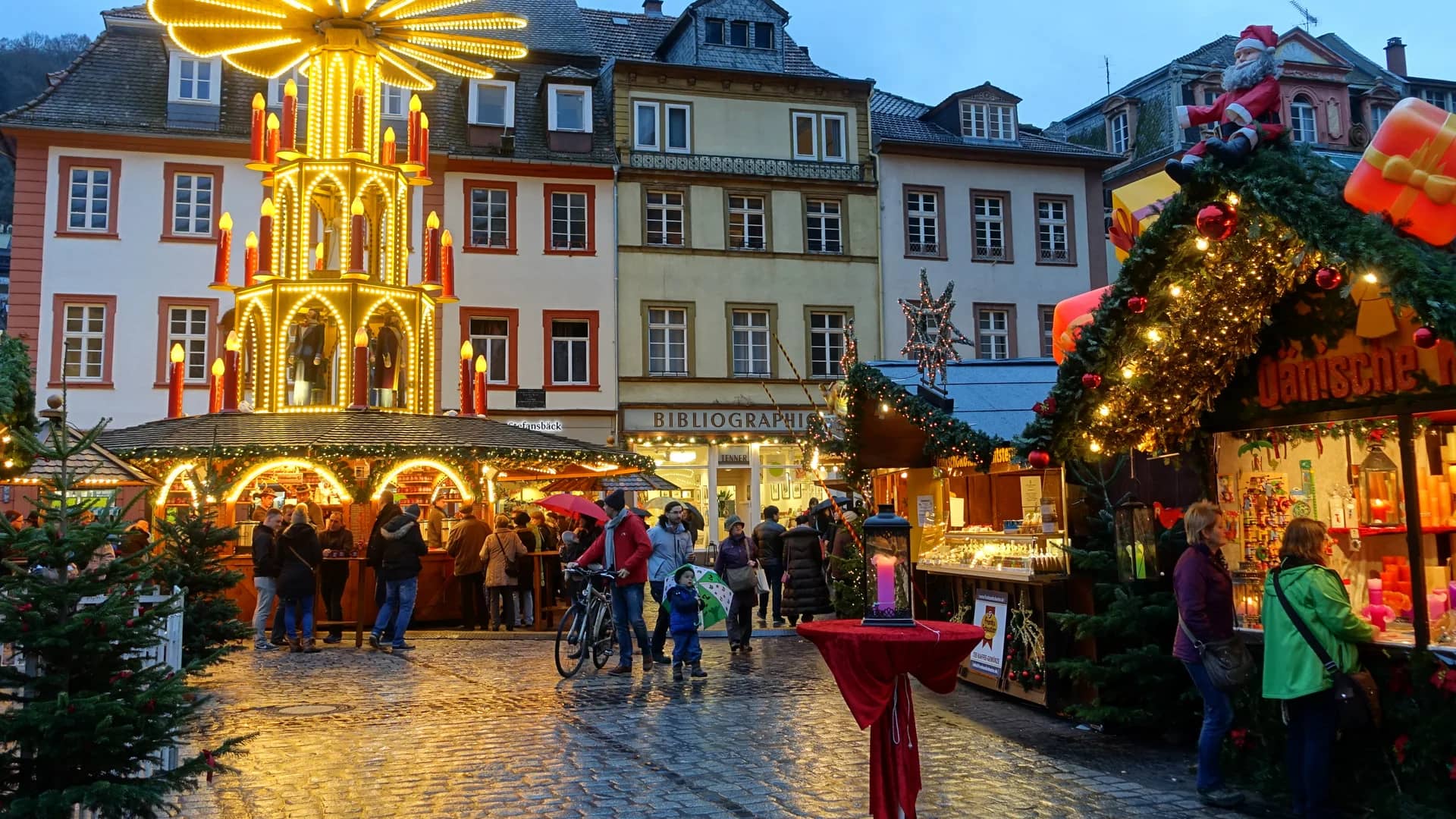
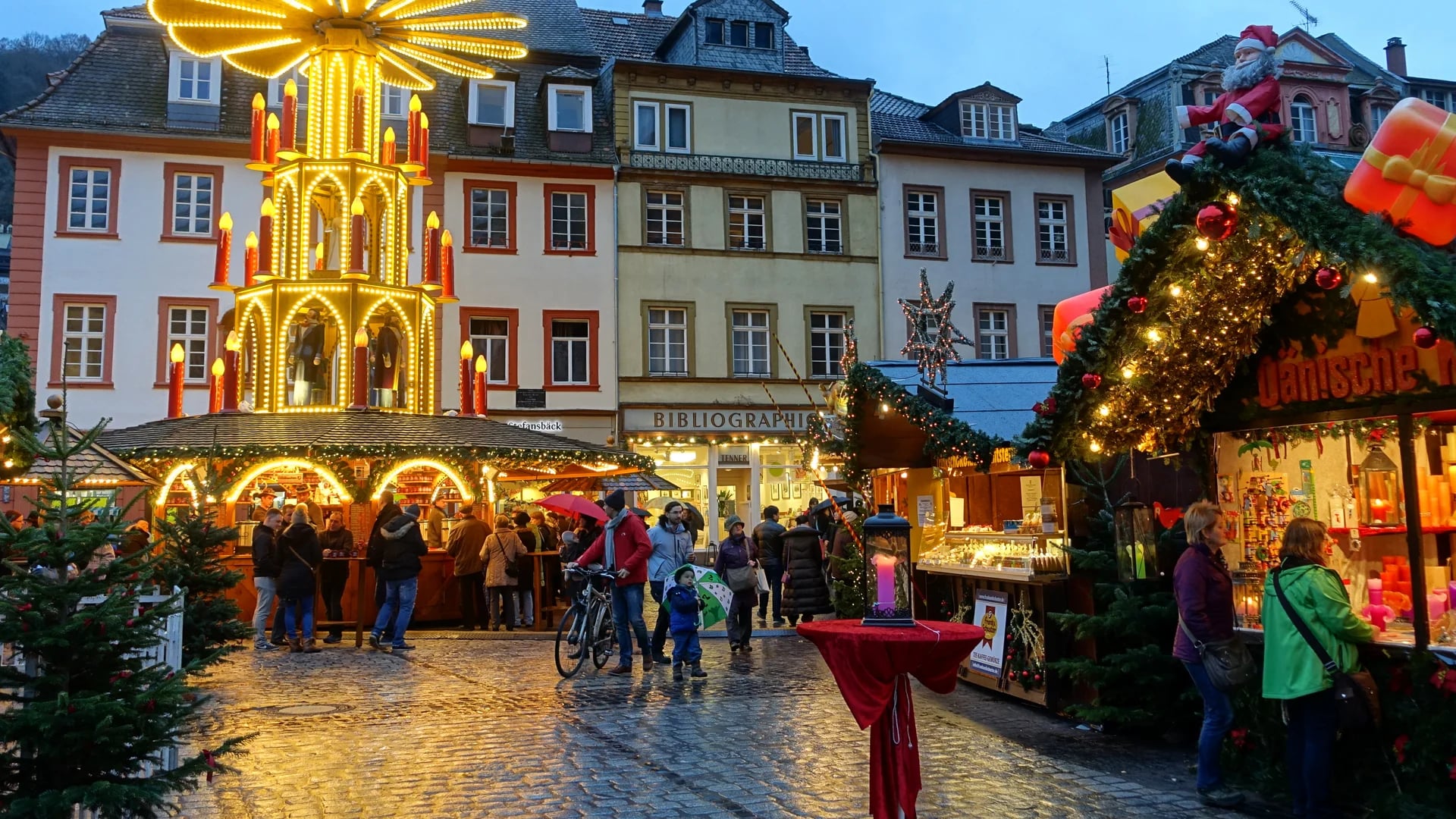
Heidelberg
8 Markets
Christmas markets in Heidelberg
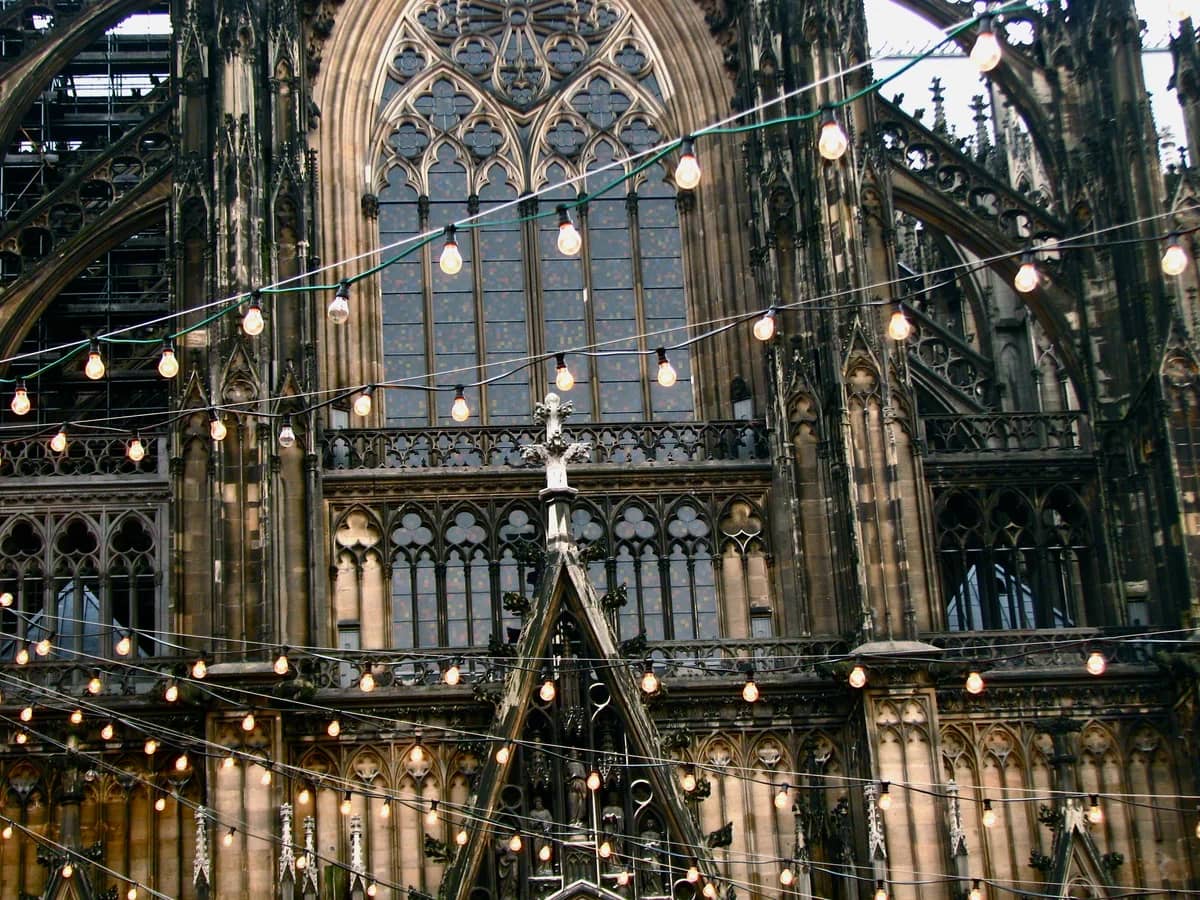
Cologne
11 Markets
Christmas markets in Cologne
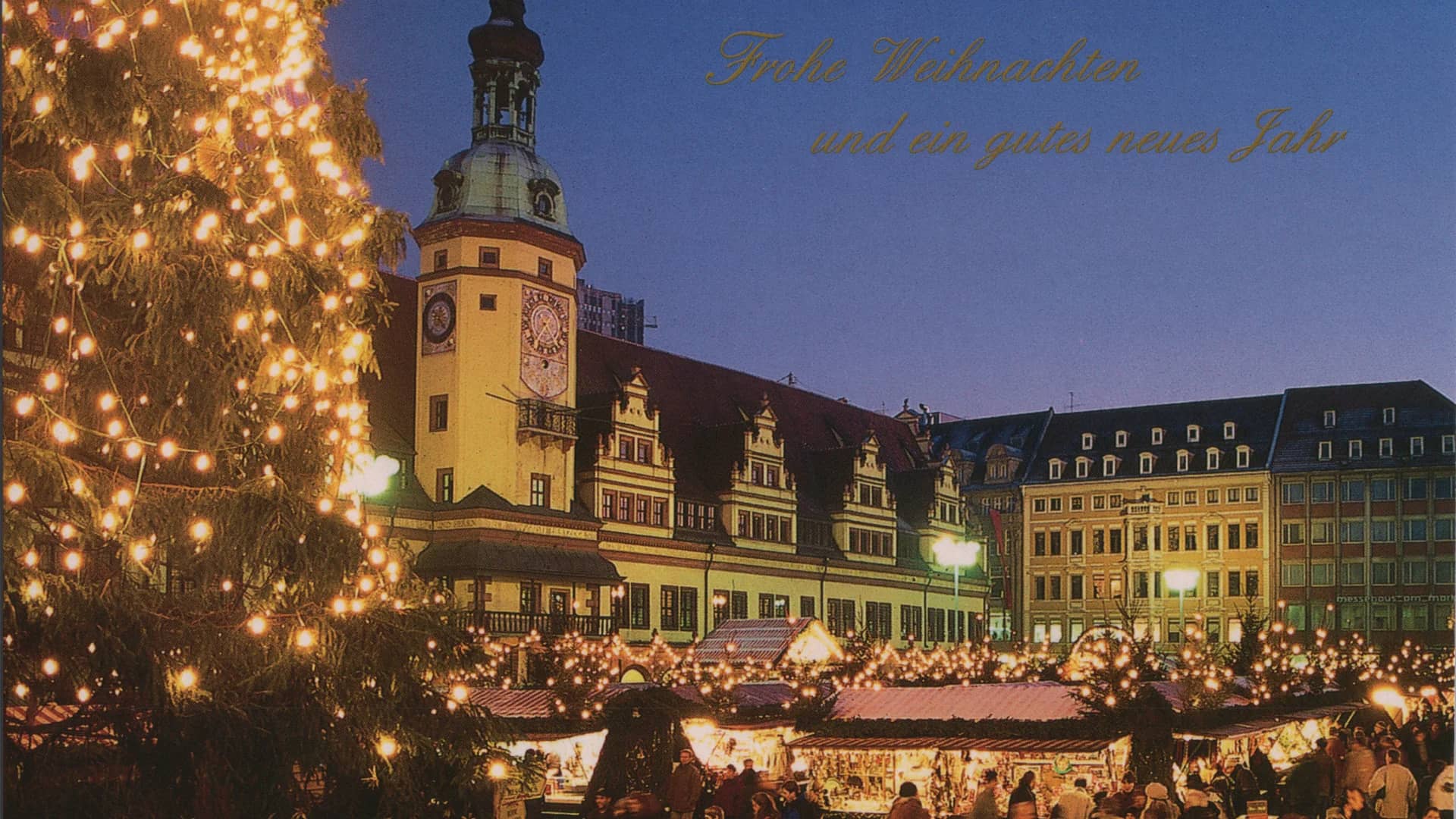
Leipzig
10 Markets
Christmas markets in Leipzig
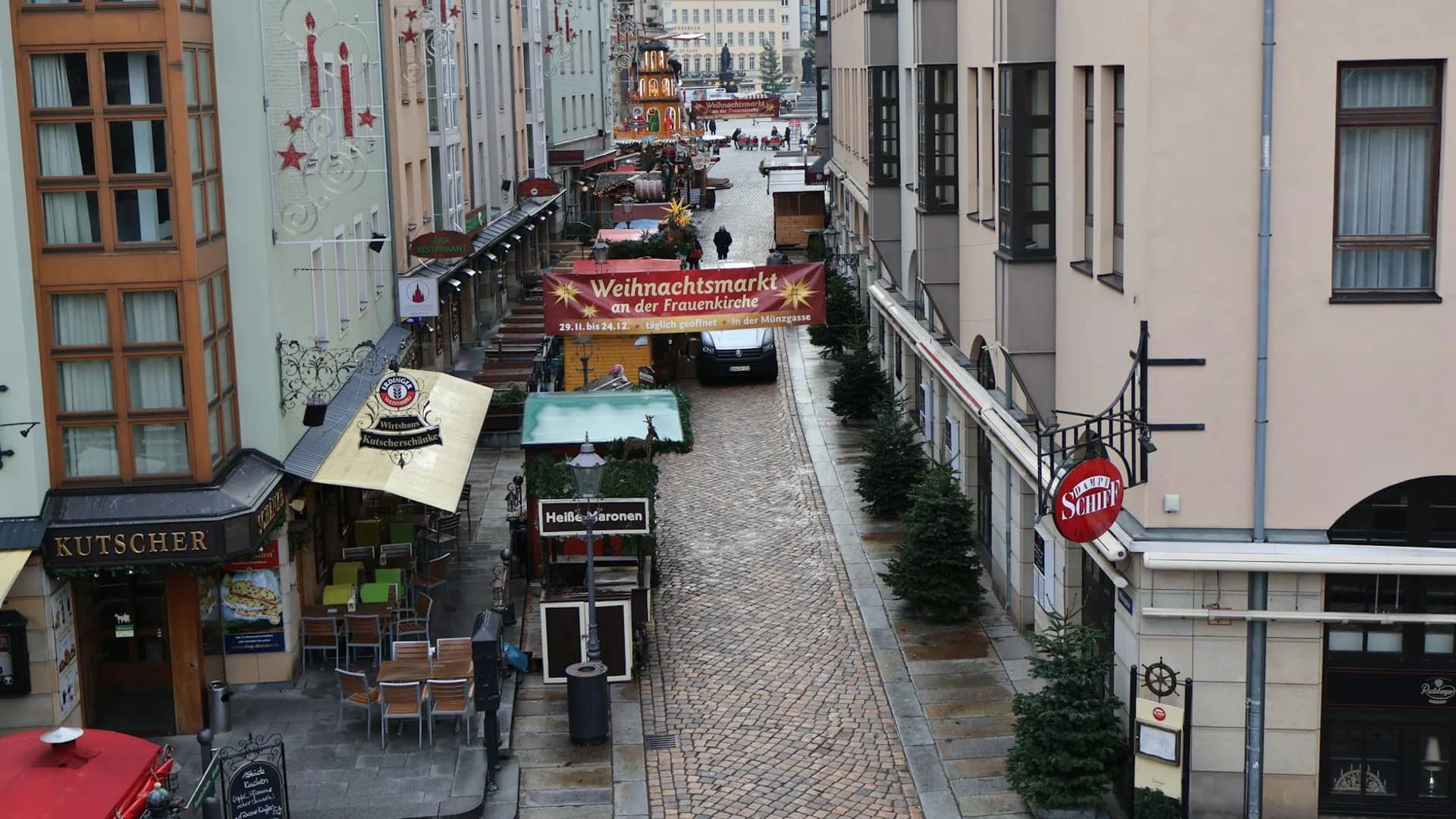
Dresden
9 Markets
Christmas markets in Dresden
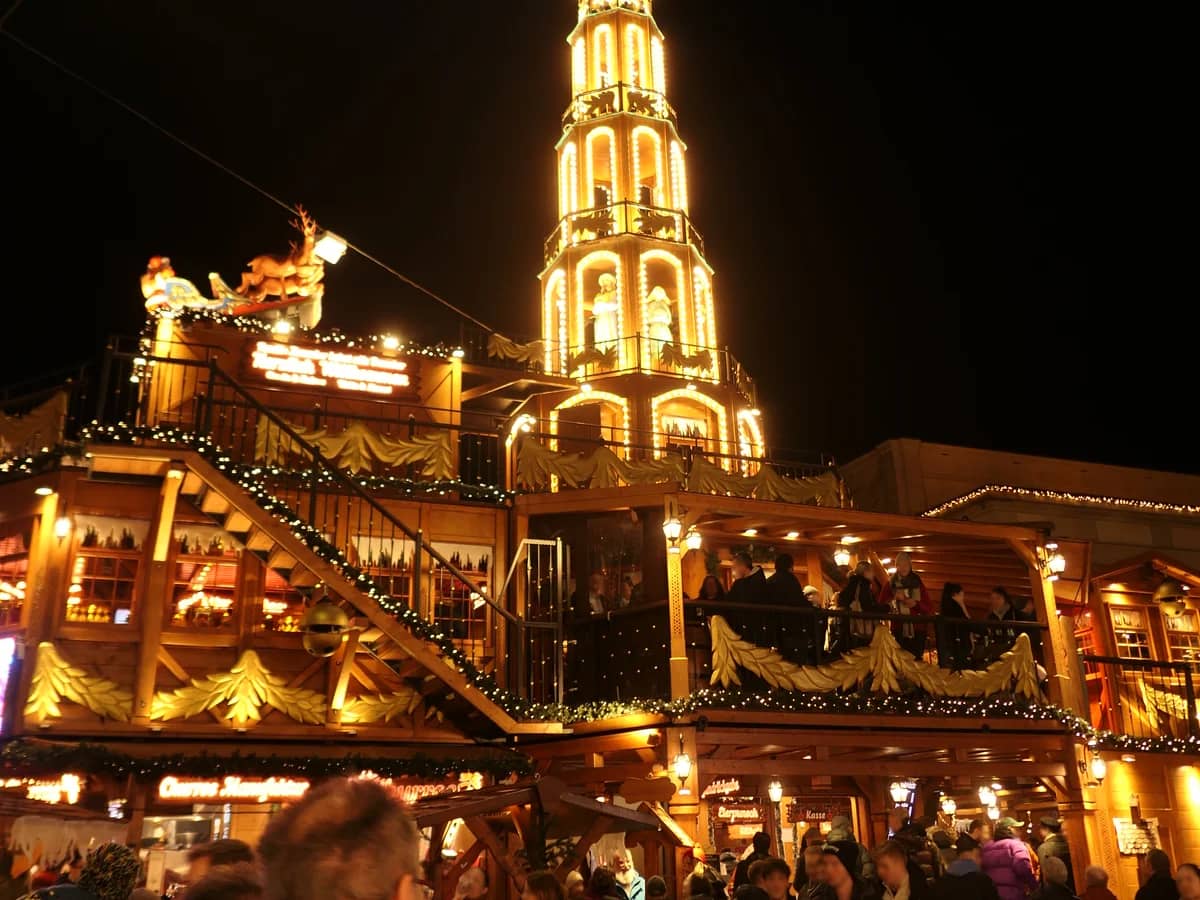
Stuttgart
7 Markets
Christmas markets in Stuttgart
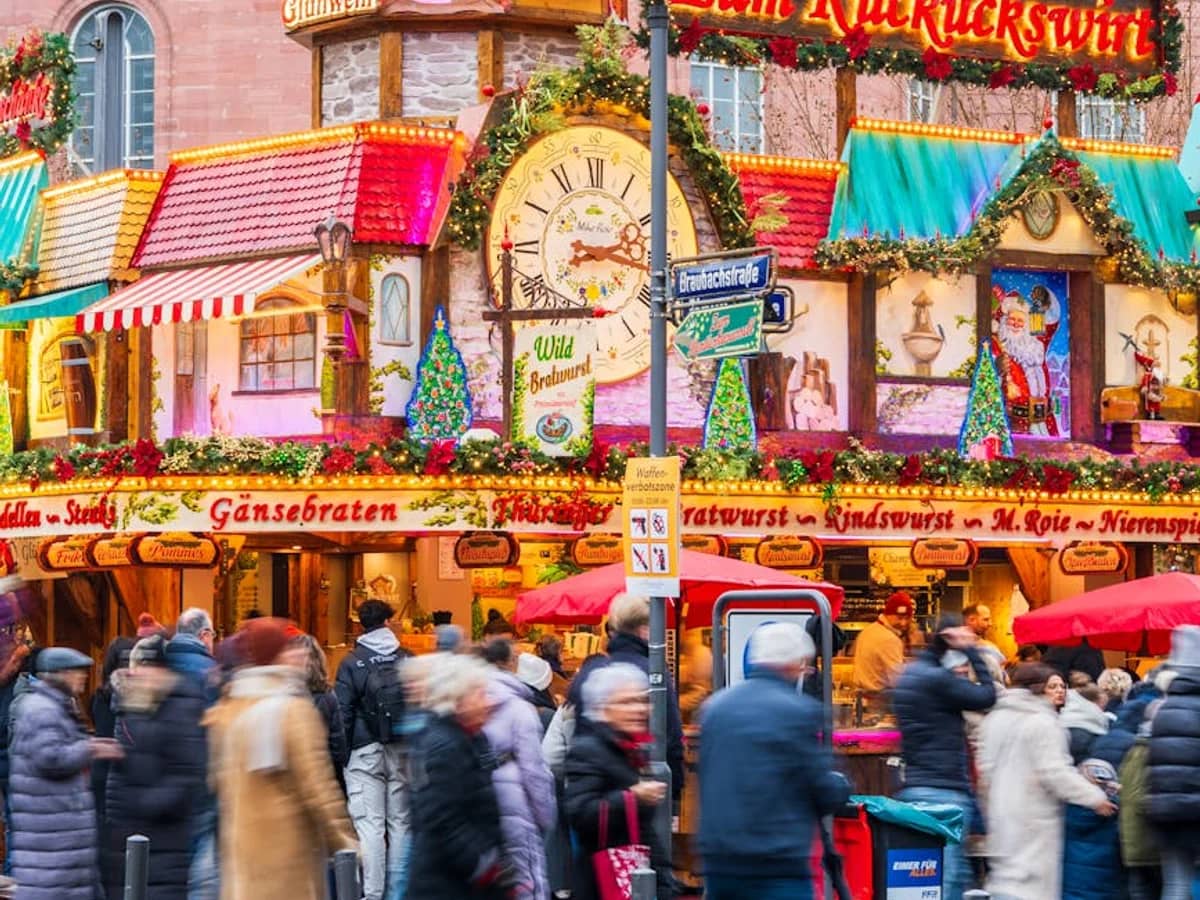
Frankfurt
12 Markets
Christmas markets in Frankfurt
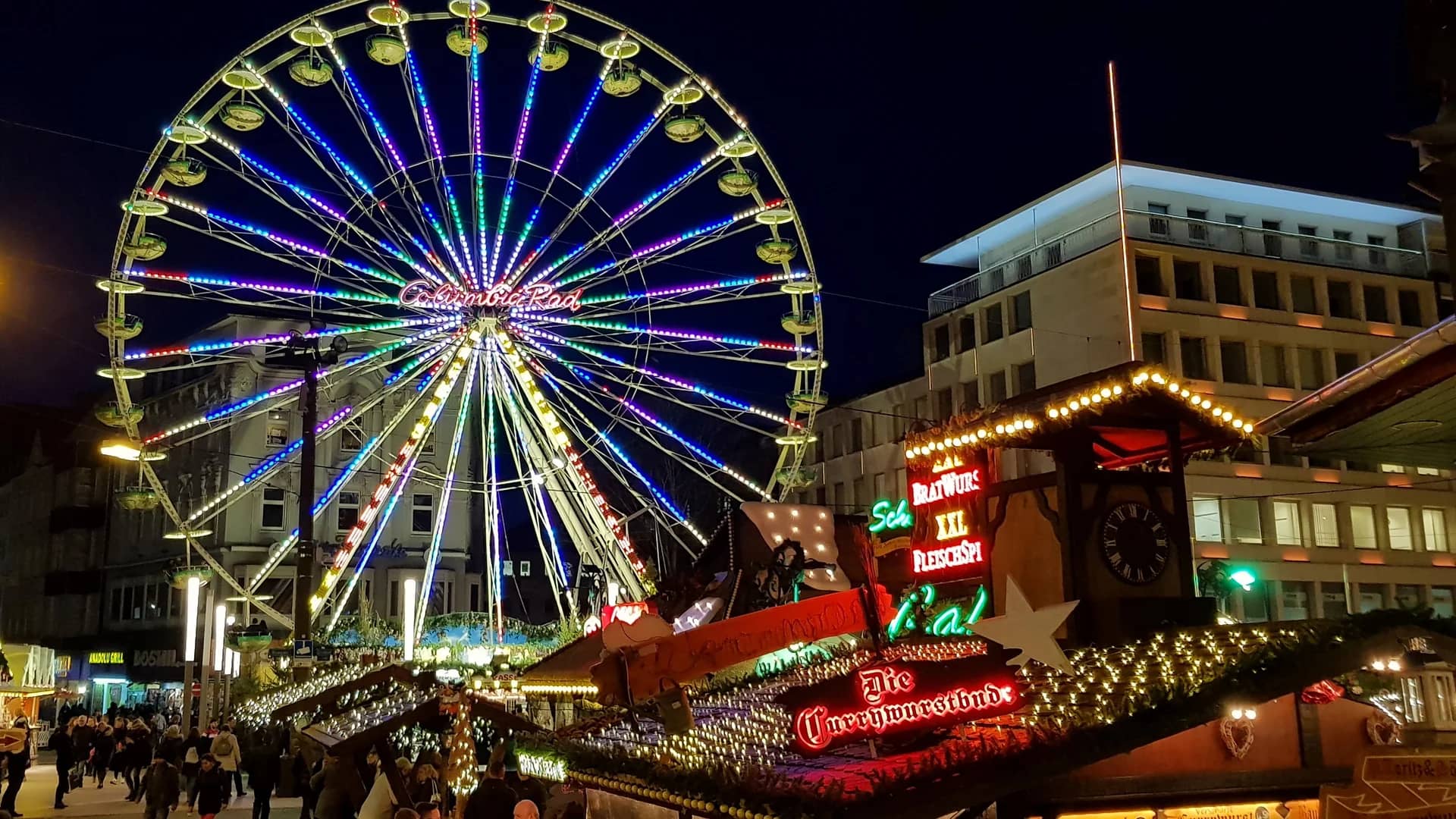
Dortmund
11 Markets
Christmas markets in Dortmund
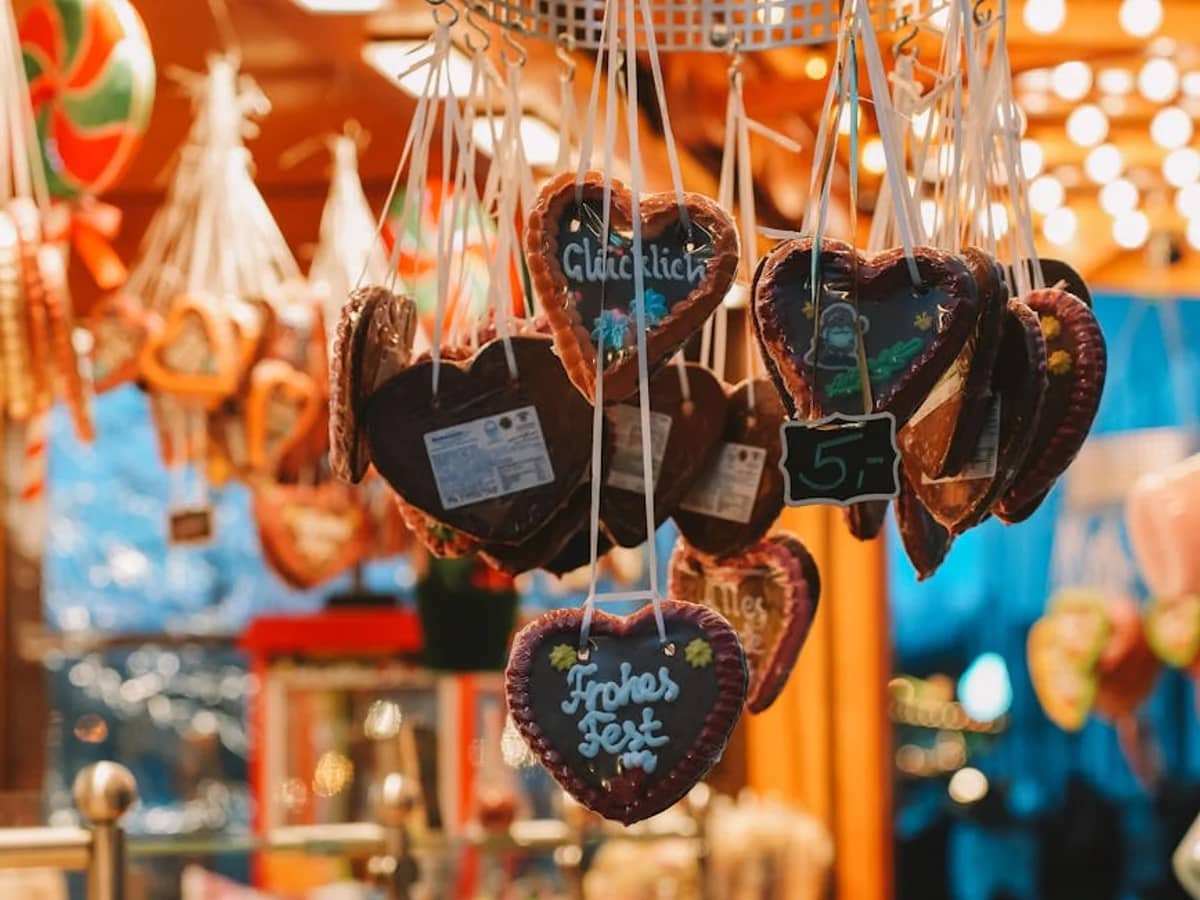
Düsseldorf
10 Markets
Christmas markets in Düsseldorf
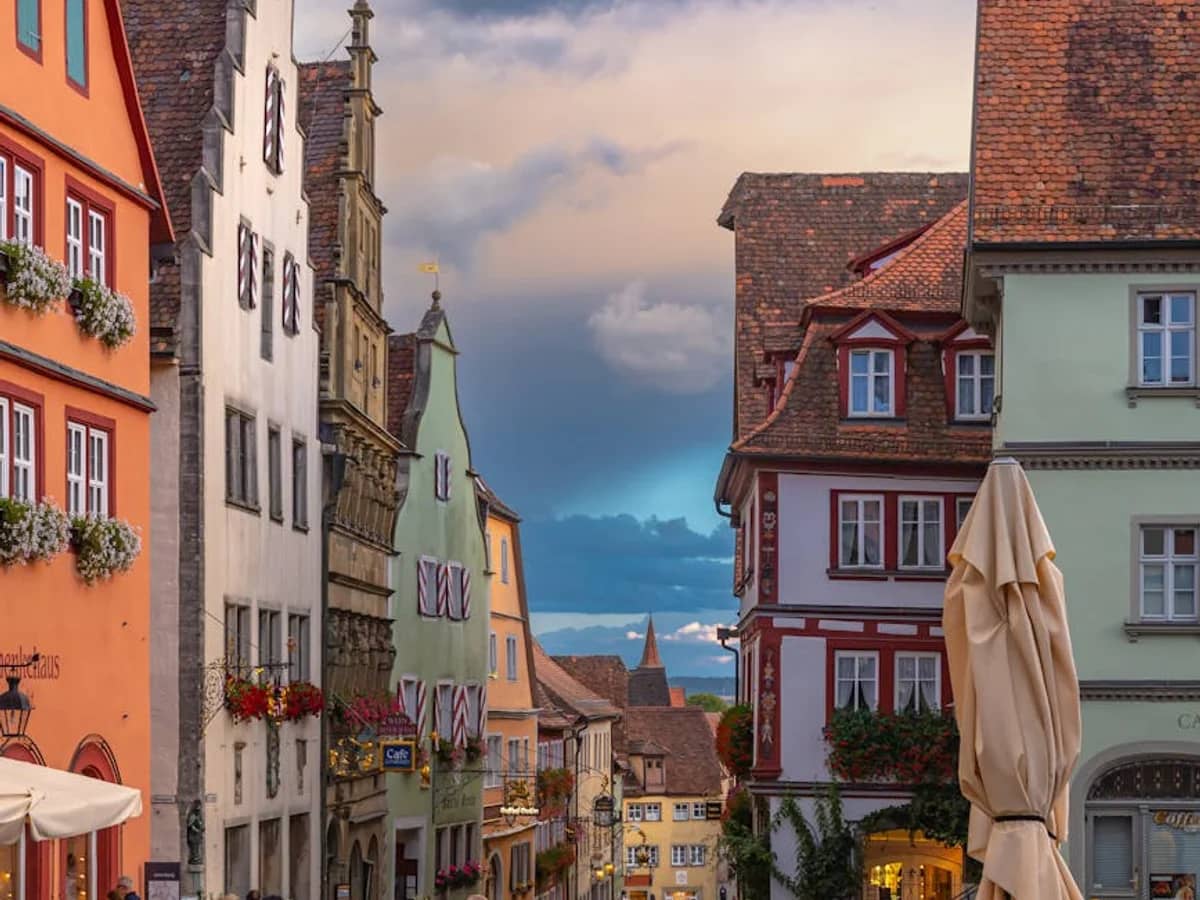
Rothenburg ob der Tauber
5 Markets
Christmas markets in Rothenburg ob der Tauber
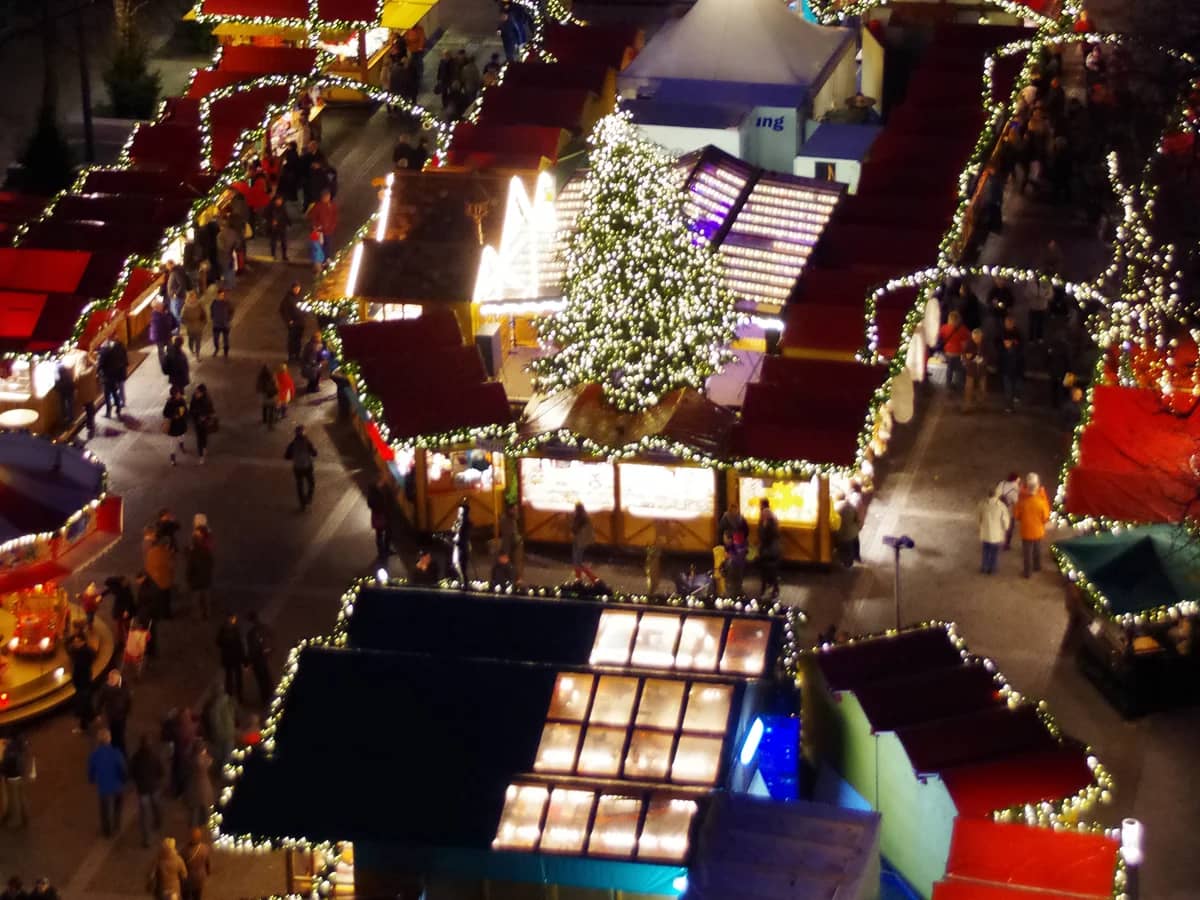
Aachen
4 Markets
Christmas markets in Aachen
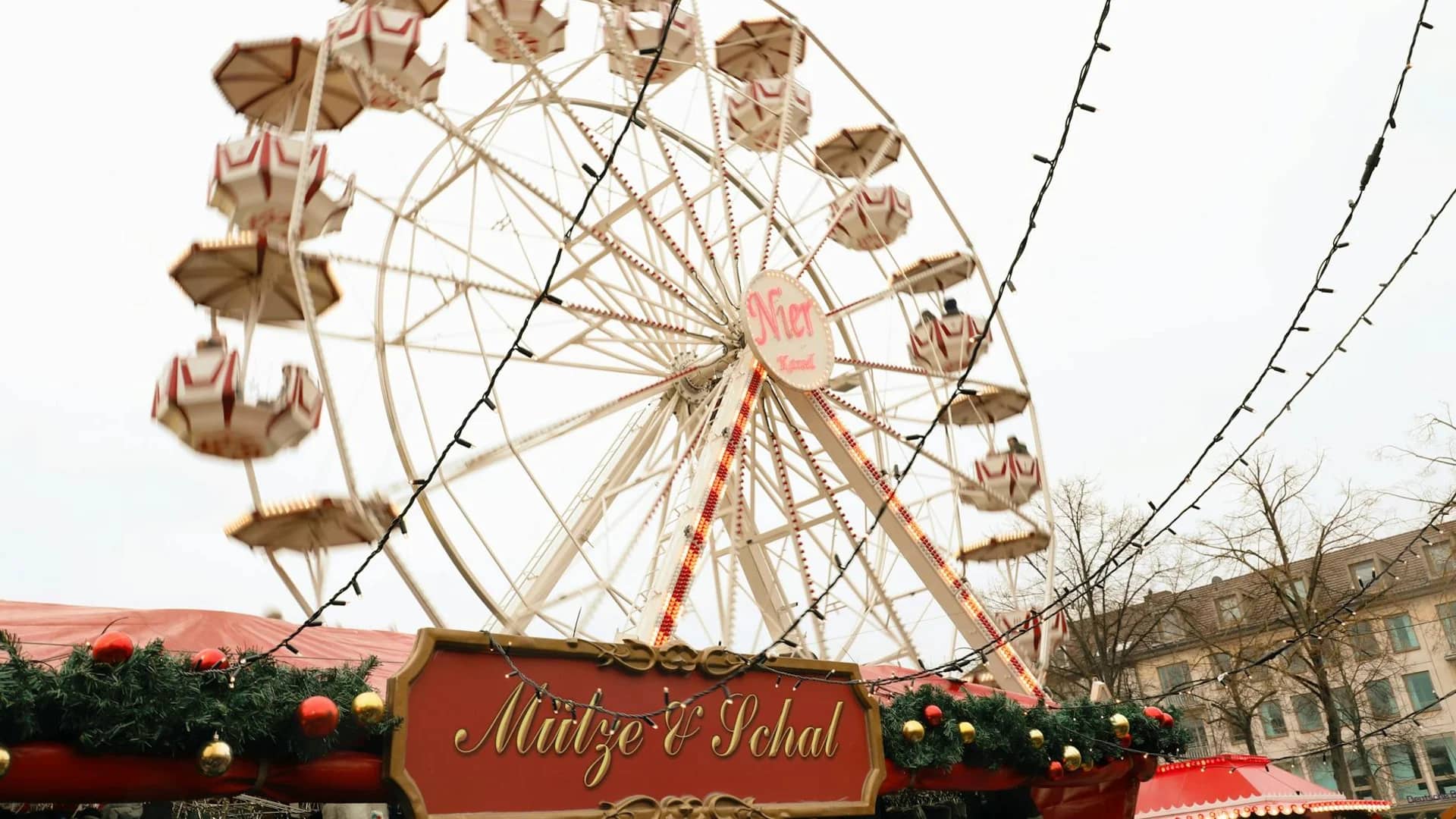
Mainz
7 Markets
Explore 7 Christmas markets
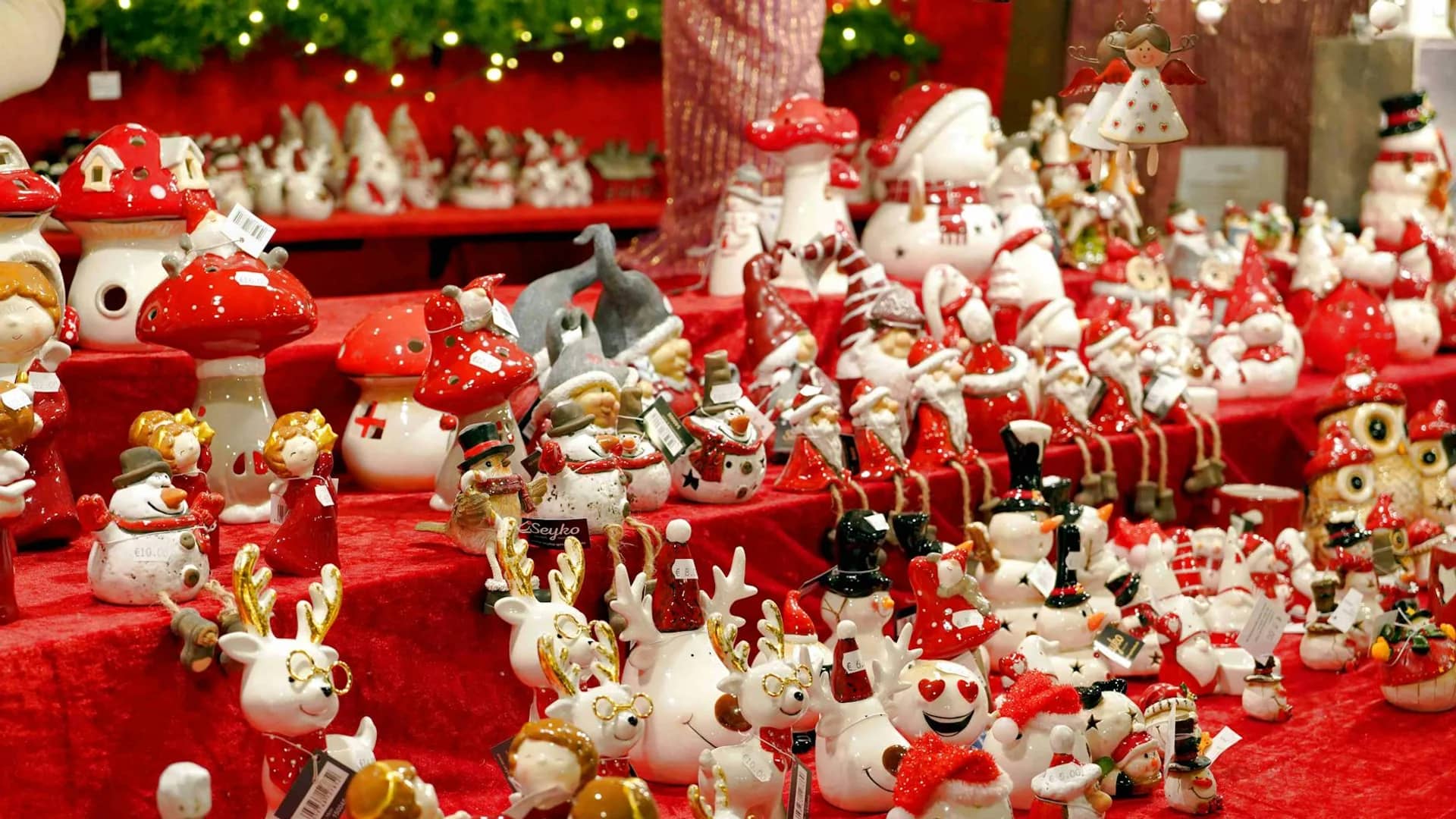
Wiesbaden
2 Markets
Explore 2 Christmas markets

Vilshofen
2 Markets
Explore 2 Christmas markets
Tubingen
0 Markets
Explore 0 Christmas markets
Meissen
1 Market
Explore 1 Christmas market
Bamberg
1 Market
Explore 1 Christmas market
Flensburg
1 Market
Explore 1 Christmas market
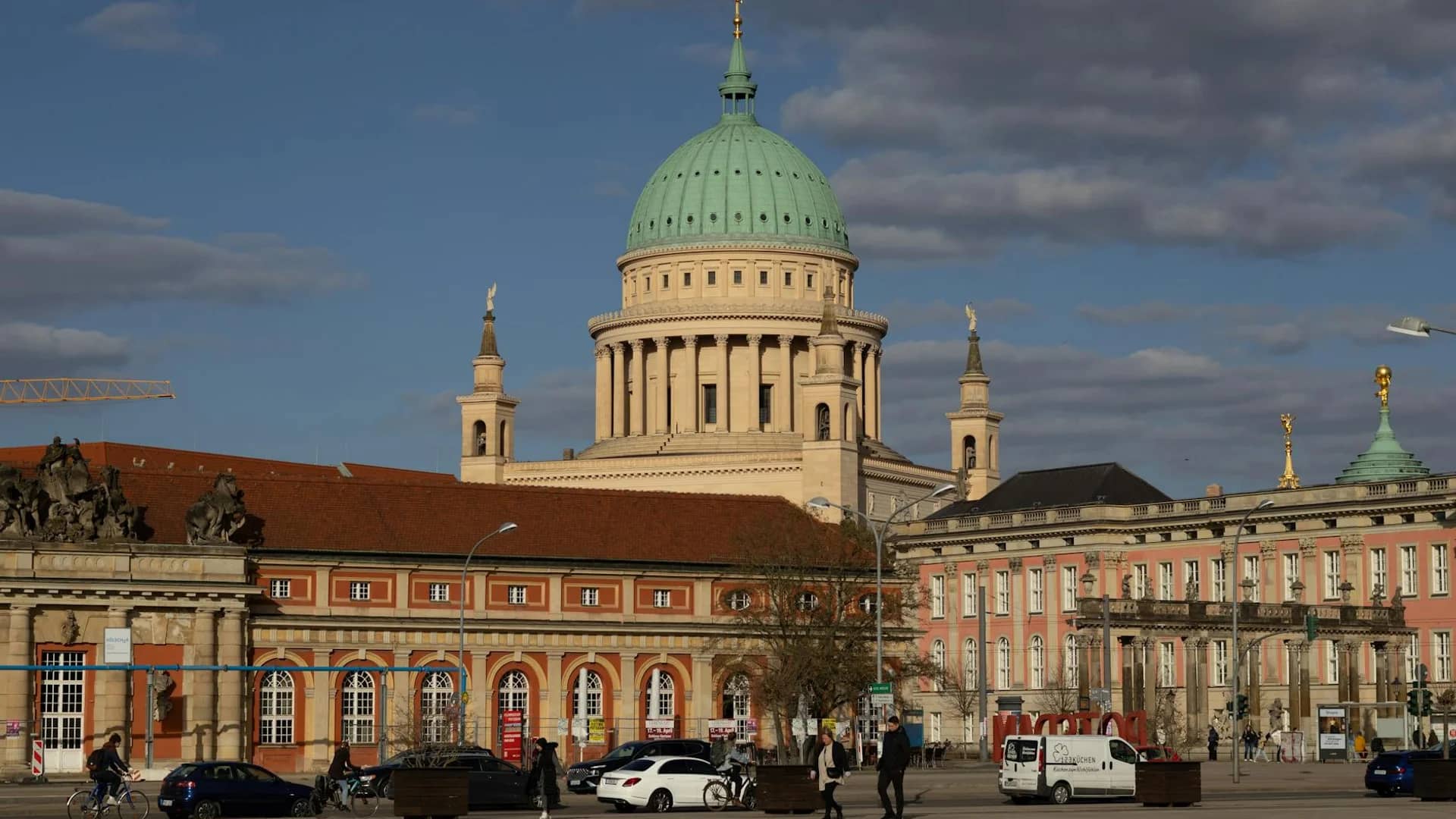
Potsdam
0 Markets
Explore 0 Christmas markets
Braunschweig
1 Market
Explore 1 Christmas market
Luneburg
5 Markets
Explore 5 Christmas markets
Monschau
0 Markets
Explore 0 Christmas markets
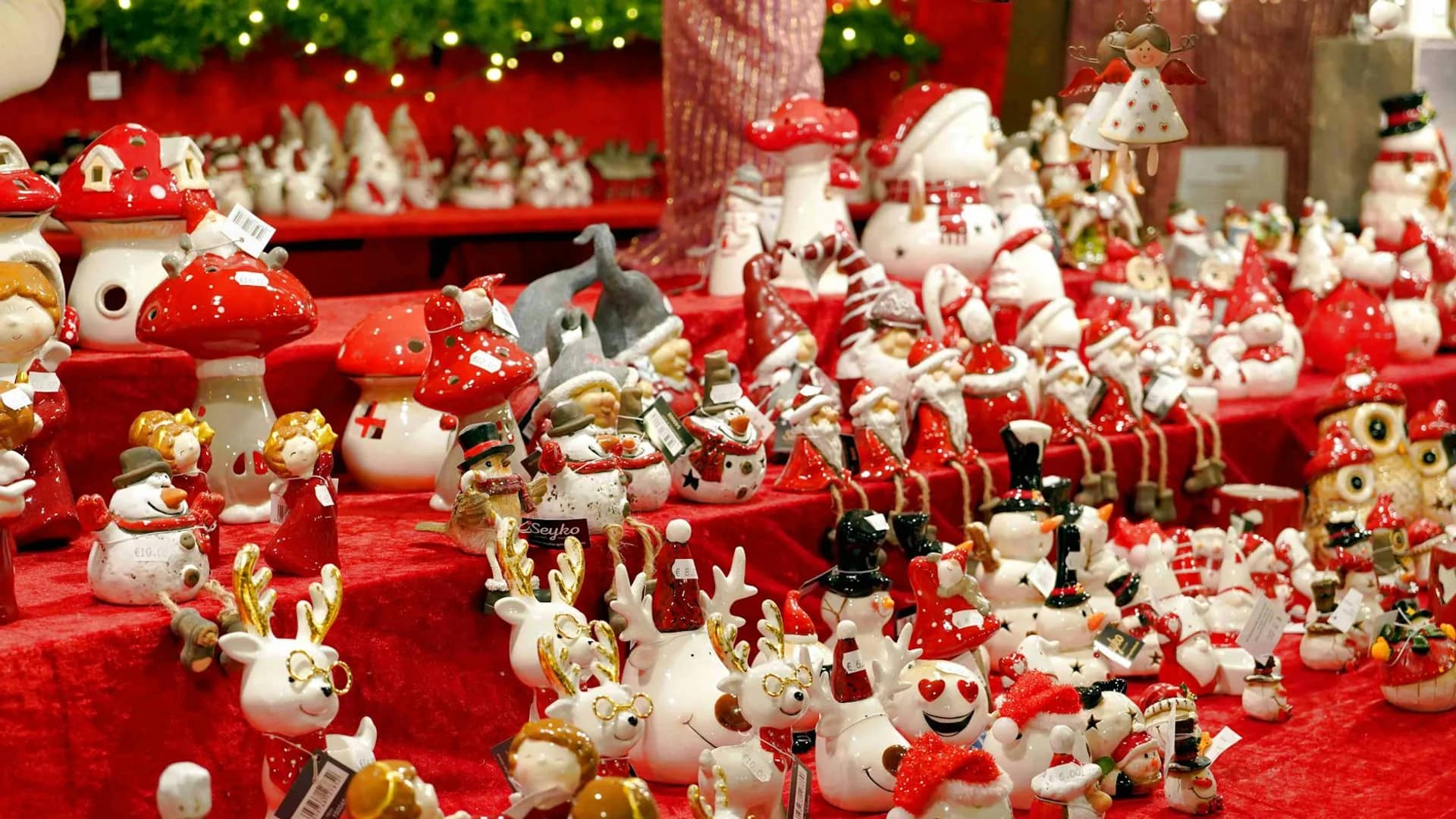
Regensburg
6 Markets
Explore 6 Christmas markets
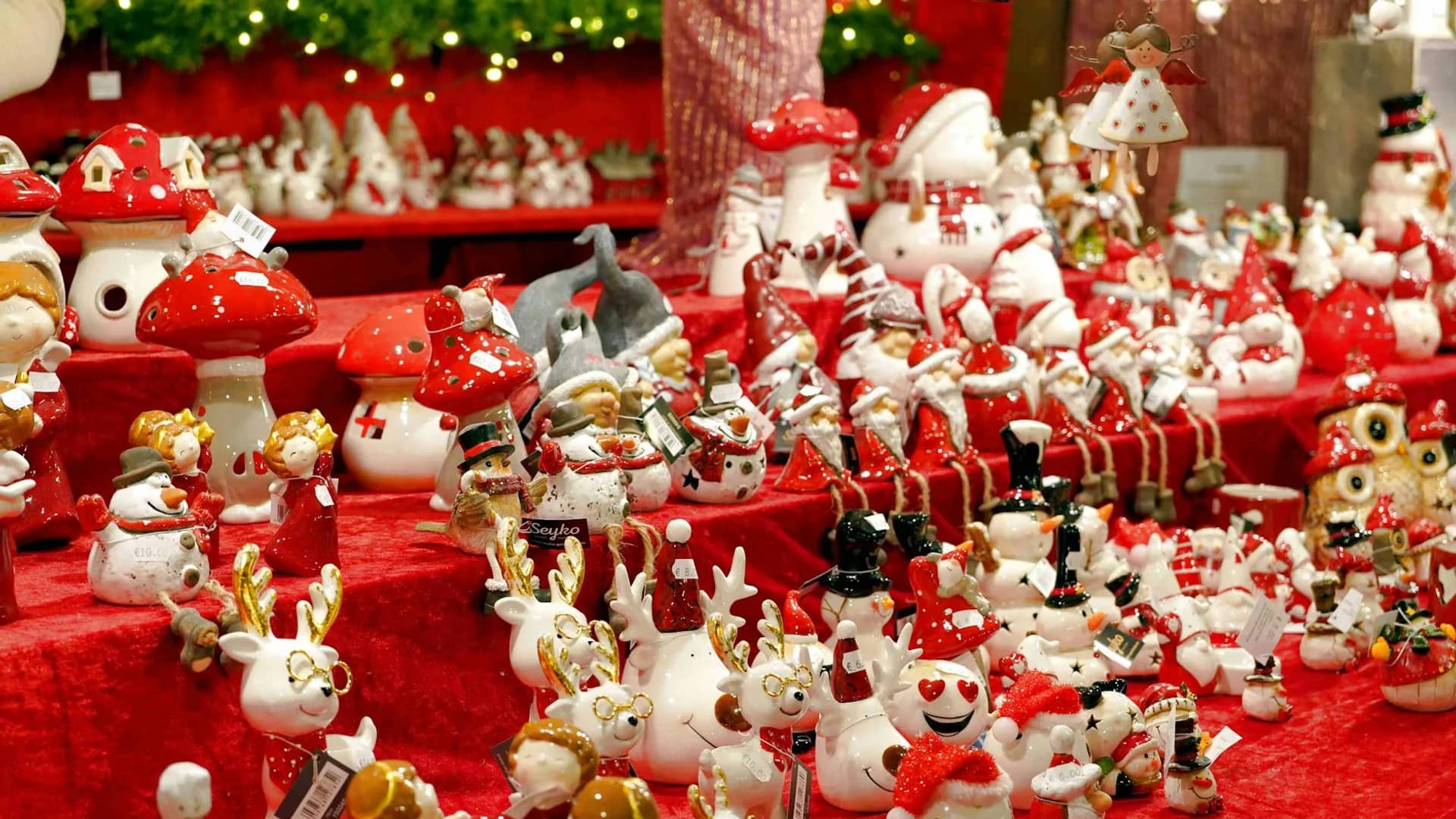
Bremen
1 Market
Explore 1 Christmas market
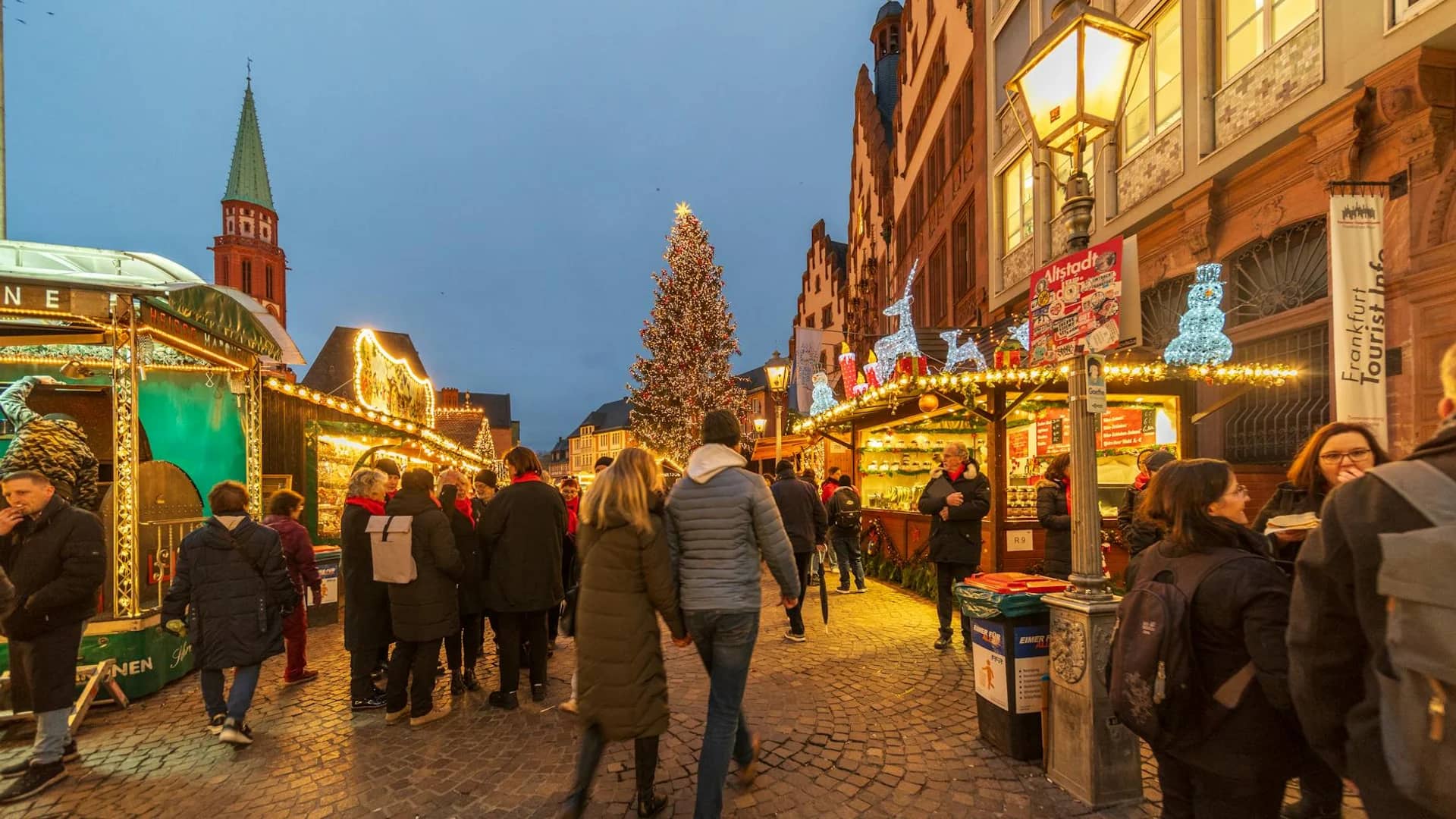
Freiburg im Breisgau
9 Markets
Explore 9 Christmas markets
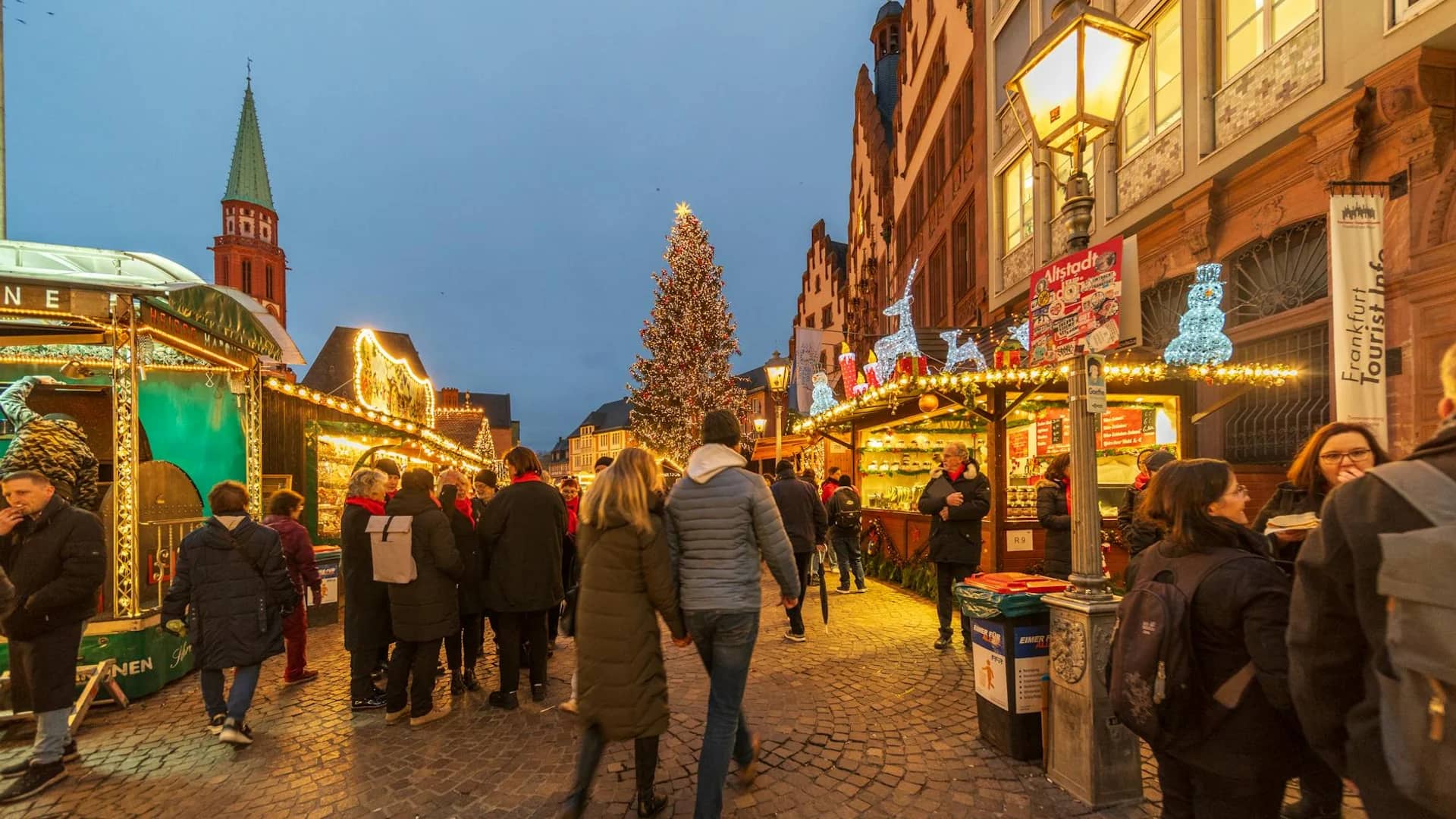
Trier
3 Markets
Explore 3 Christmas markets
Baden-Baden
1 Market
Explore 1 Christmas market
Bayreuth
1 Market
Explore 1 Christmas market
Quedlinburg
1 Market
Explore 1 Christmas market
Passau
1 Market
Explore 1 Christmas market
Hildesheim
1 Market
Explore 1 Christmas market
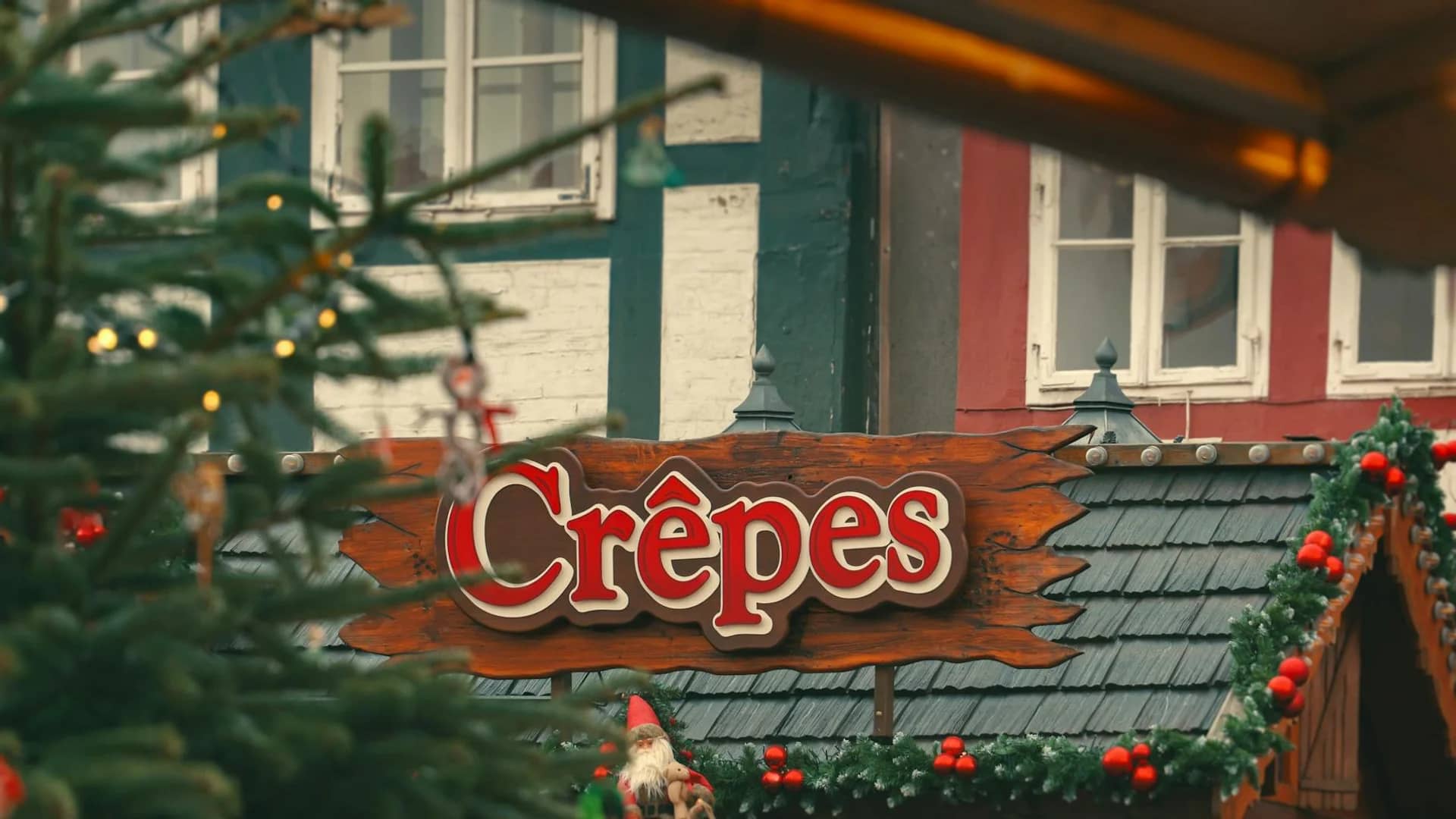
Bonn
8 Markets
Explore 8 Christmas markets
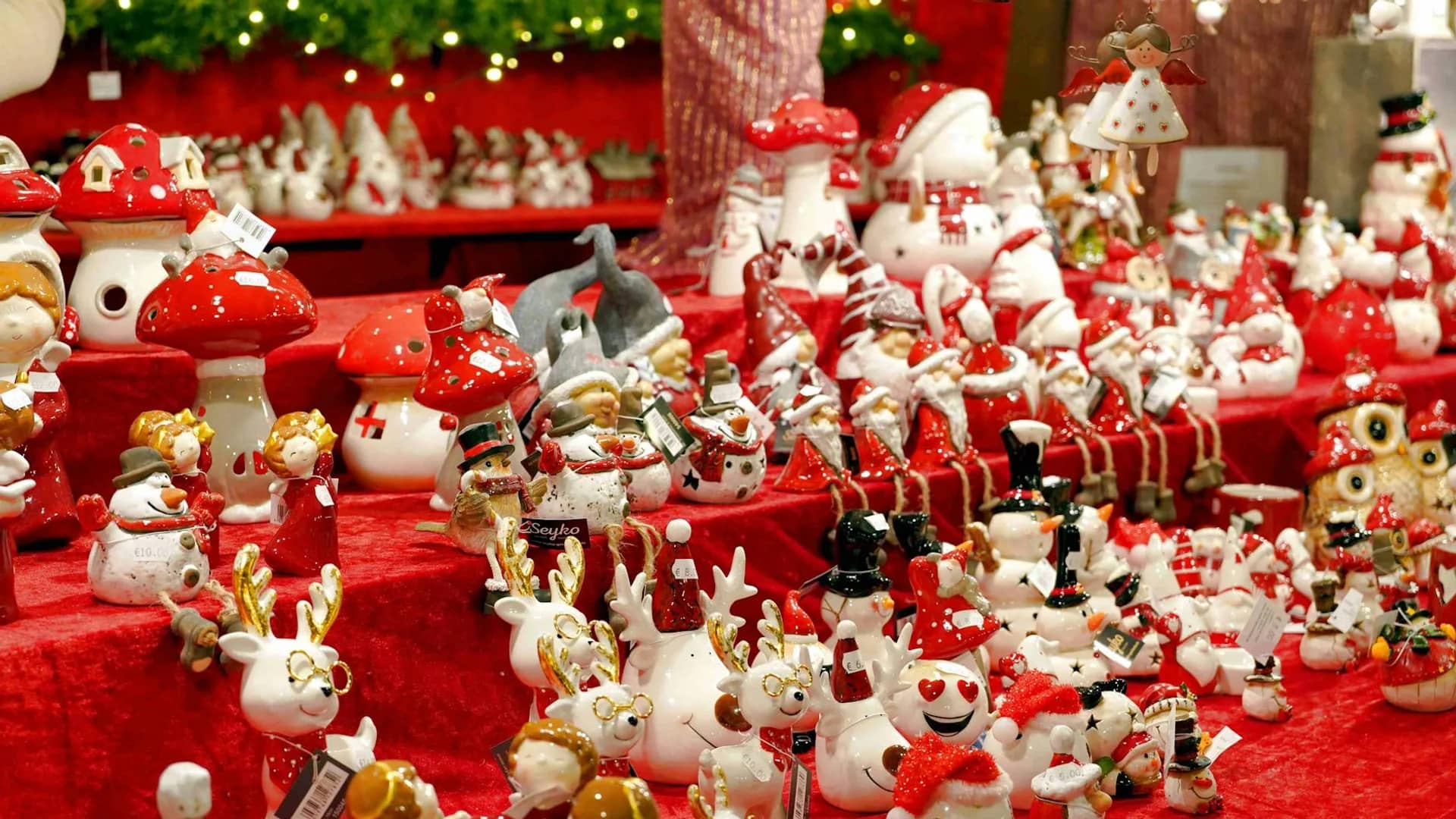
Esslingen am Neckar
5 Markets
Explore 5 Christmas markets
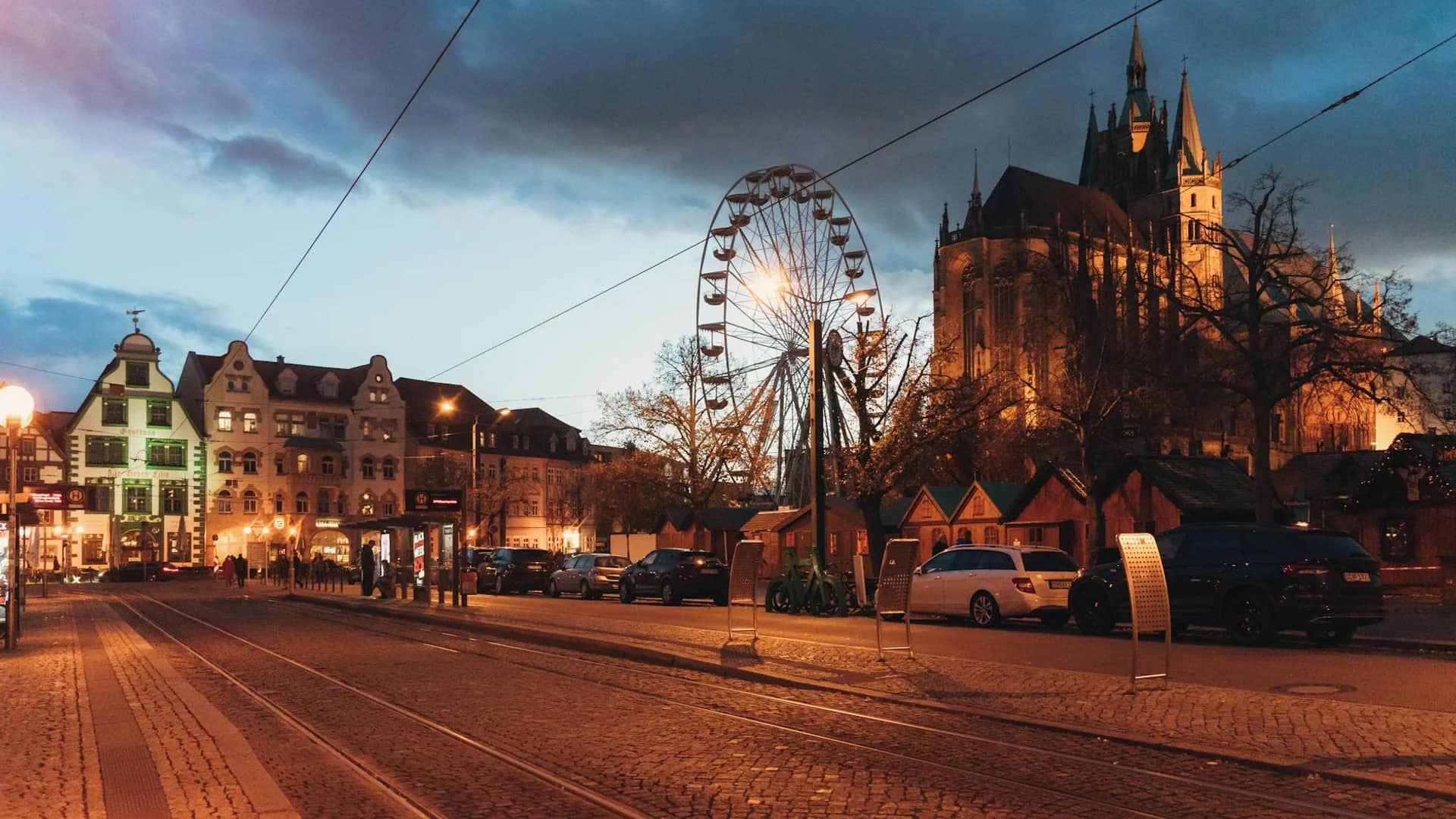
Erfurt
7 Markets
Explore 7 Christmas markets
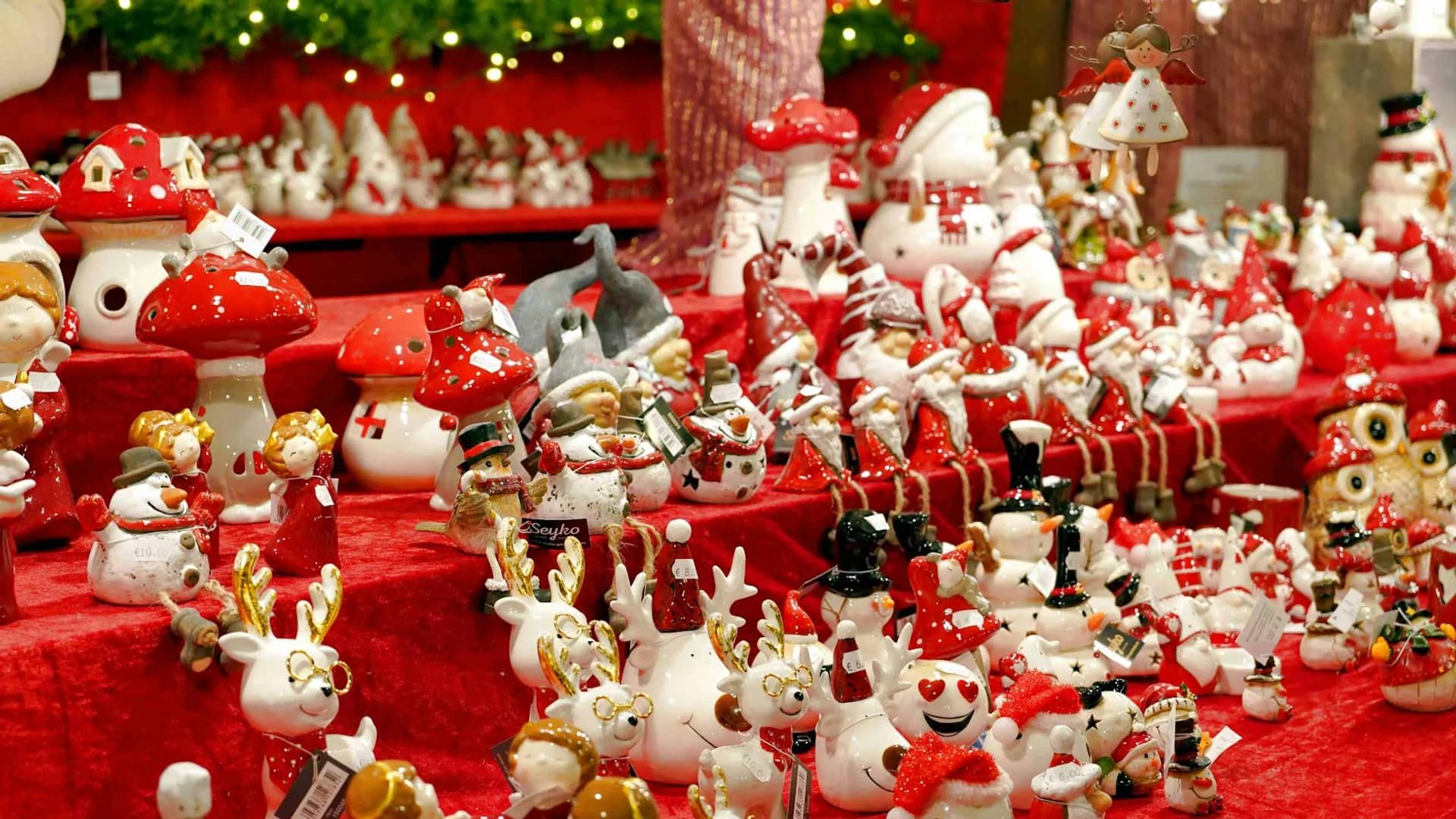
Erlangen
7 Markets
Explore 7 Christmas markets
Wurzburg
1 Market
Explore 1 Christmas market
Essen
8 Markets
Explore 8 Christmas markets
Rostock
1 Market
Explore 1 Christmas market
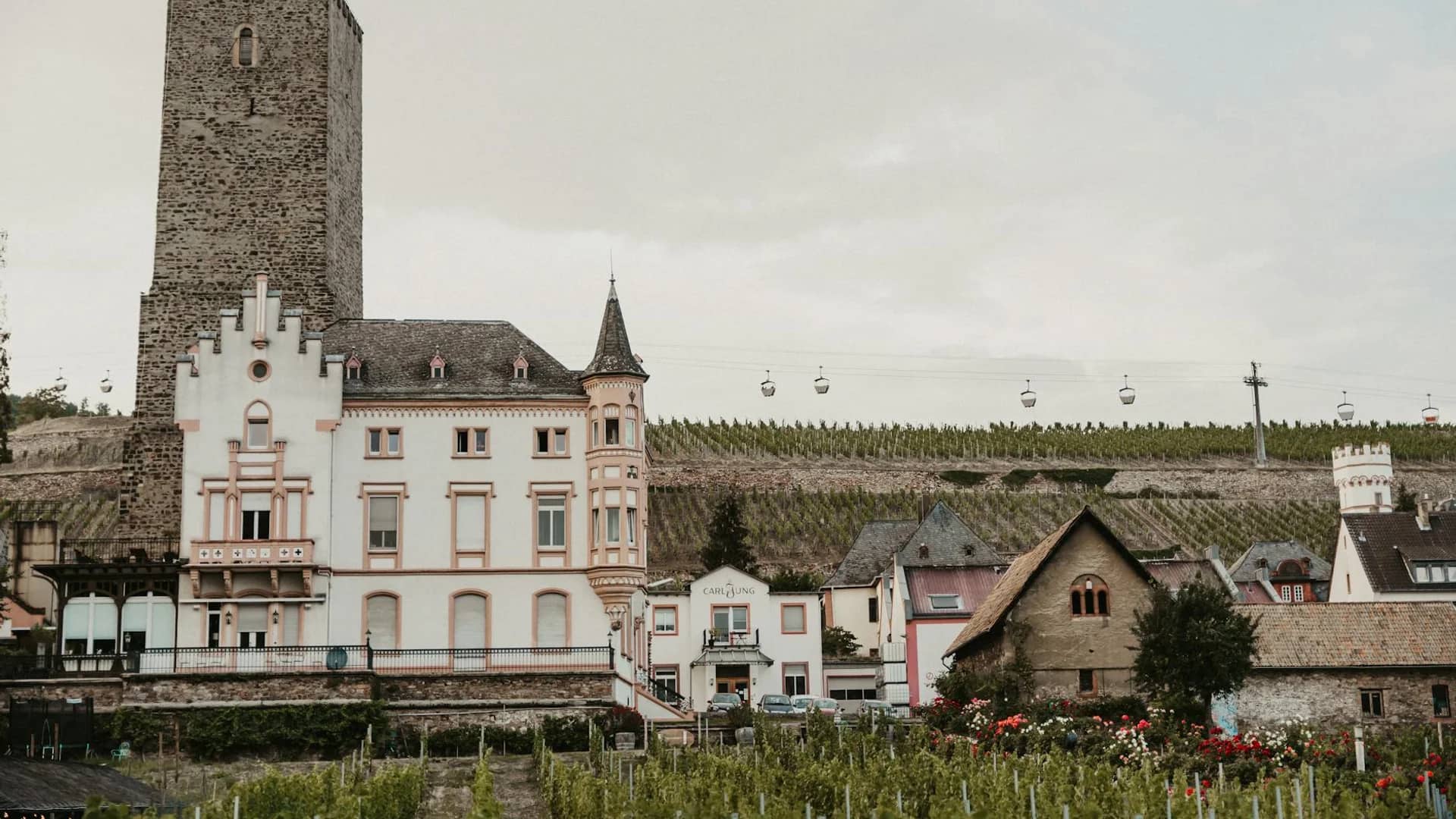
Rudesheim am Rhein
1 Market
Explore 1 Christmas market
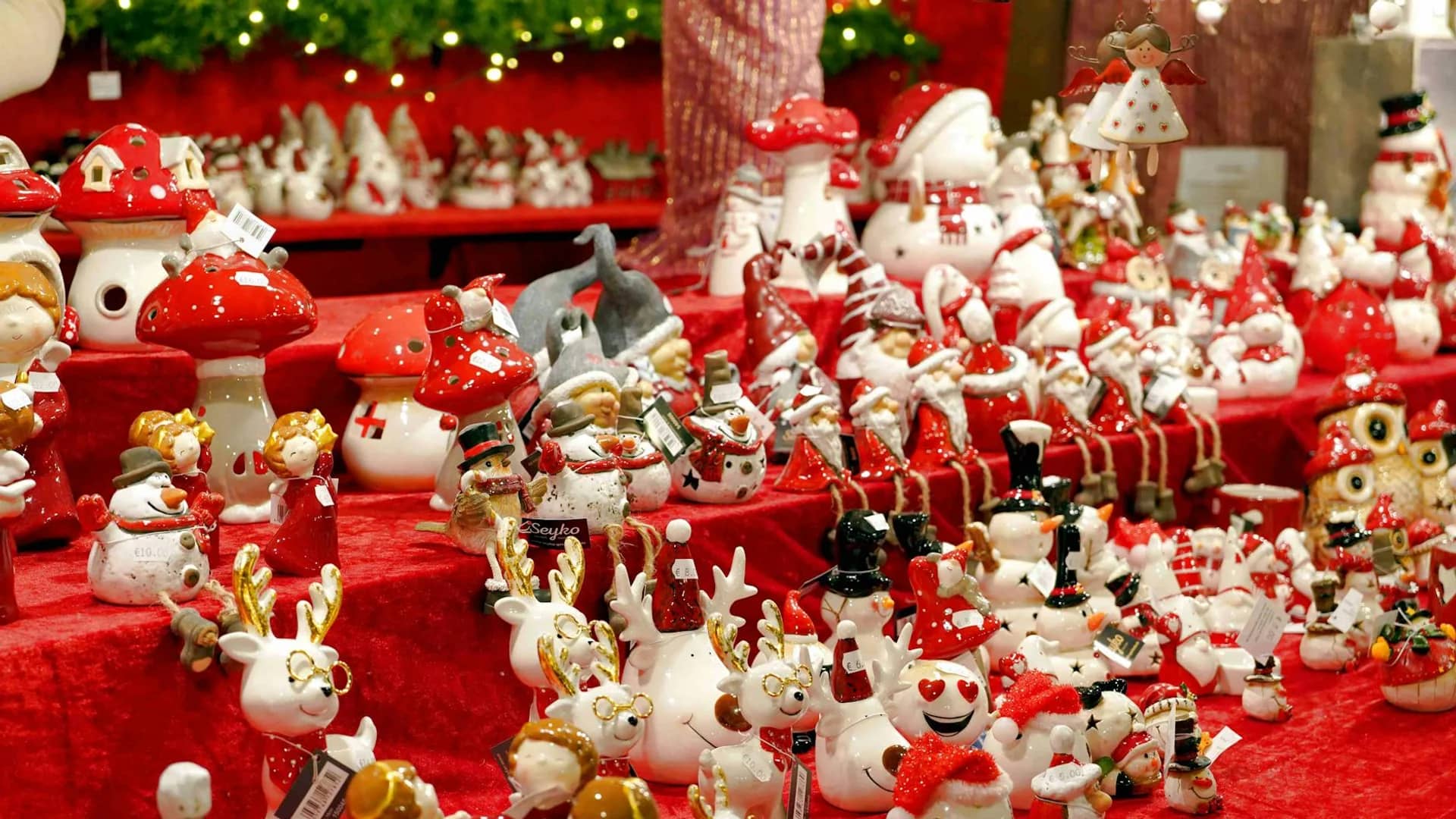
Ludwigsburg
3 Markets
Explore 3 Christmas markets
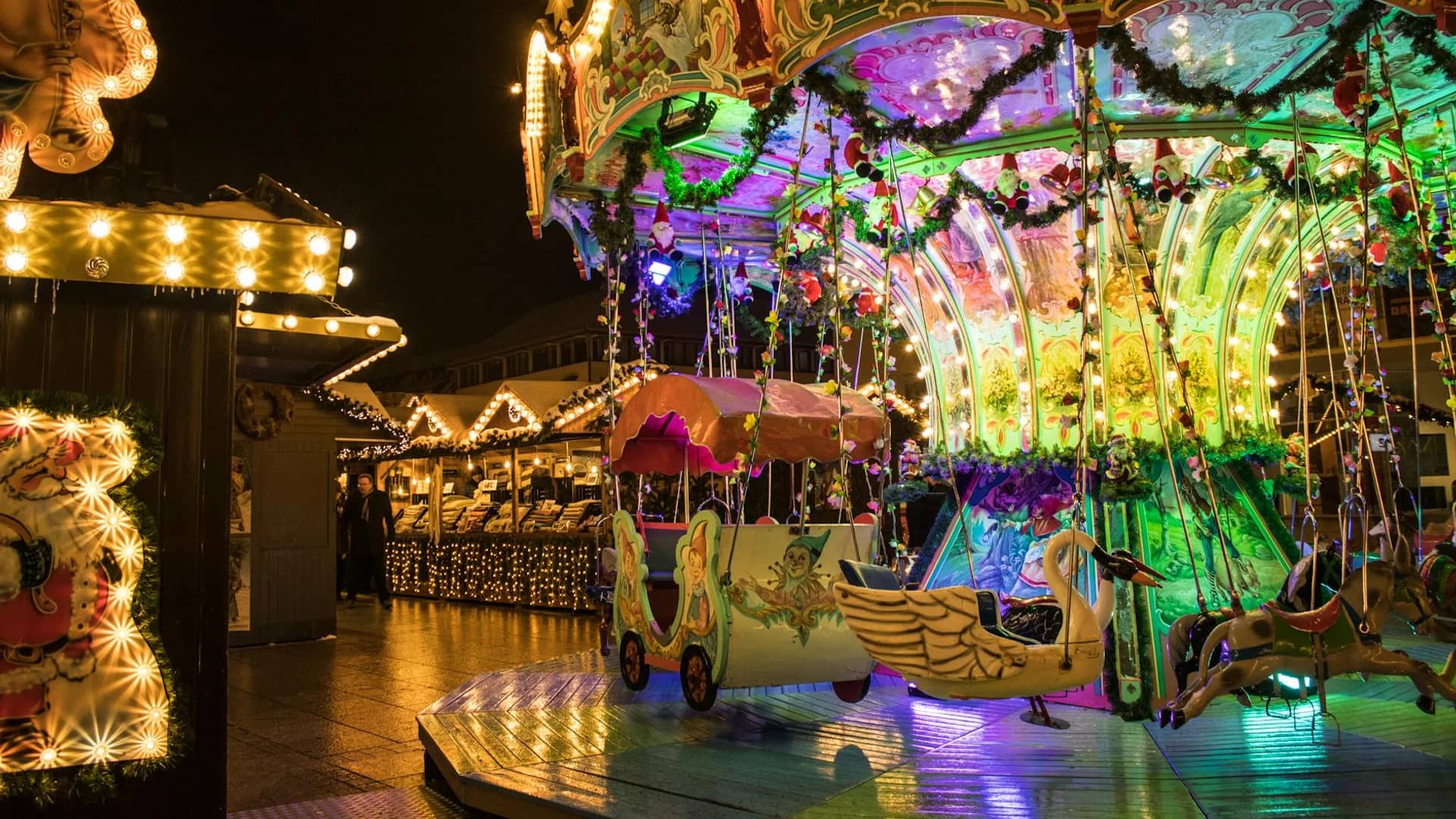
Ulm
1 Market
Explore 1 Christmas market
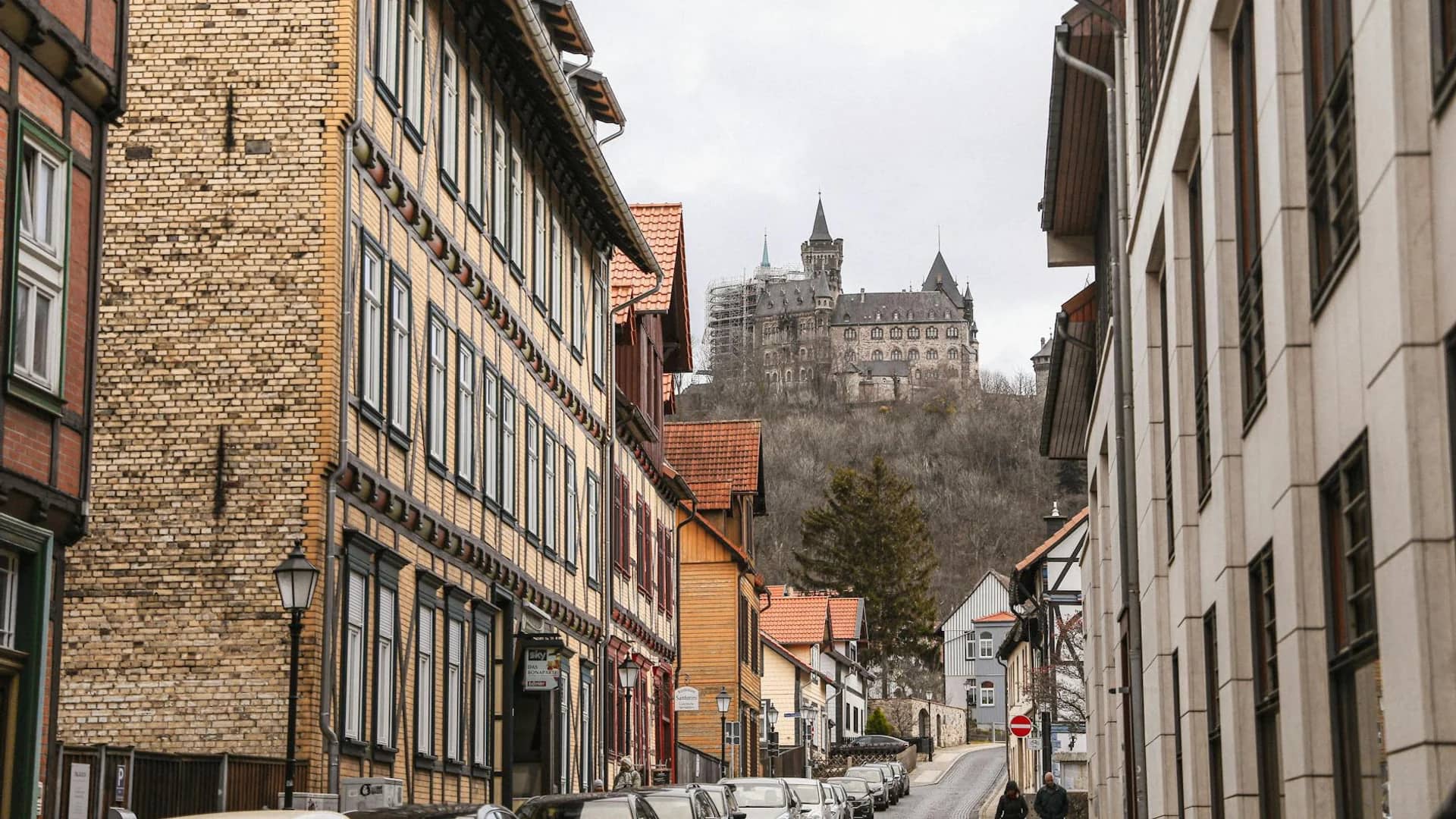
Wernigerode
8 Markets
Explore 8 Christmas markets
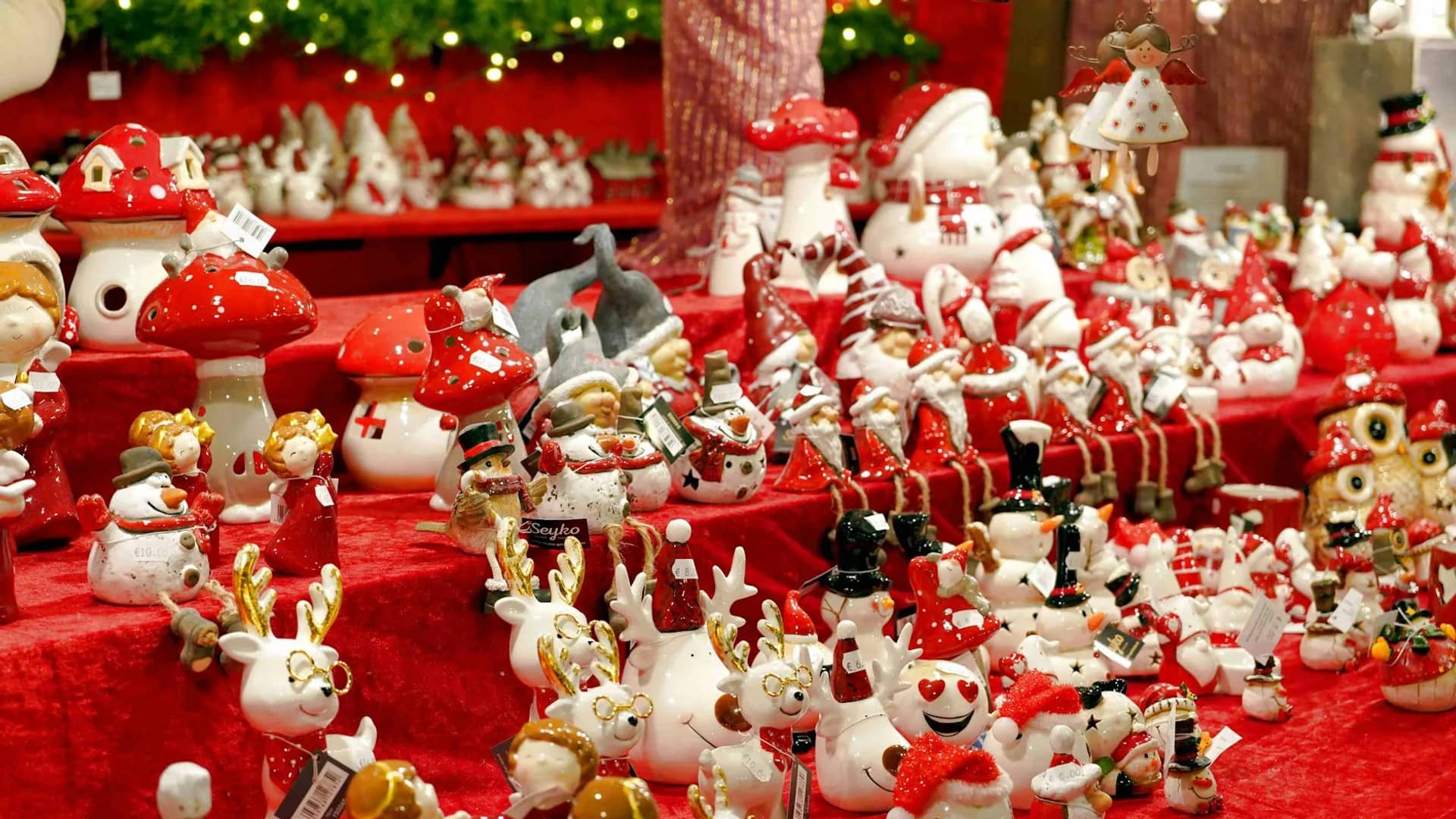
Lubeck
11 Markets
Explore 11 Christmas markets
Nordlingen
1 Market
Explore 1 Christmas market
Duisburg
1 Market
Explore 1 Christmas market
Hannover
7 Markets
Explore 7 Christmas markets
Koblenz
8 Markets
Explore 8 Christmas markets
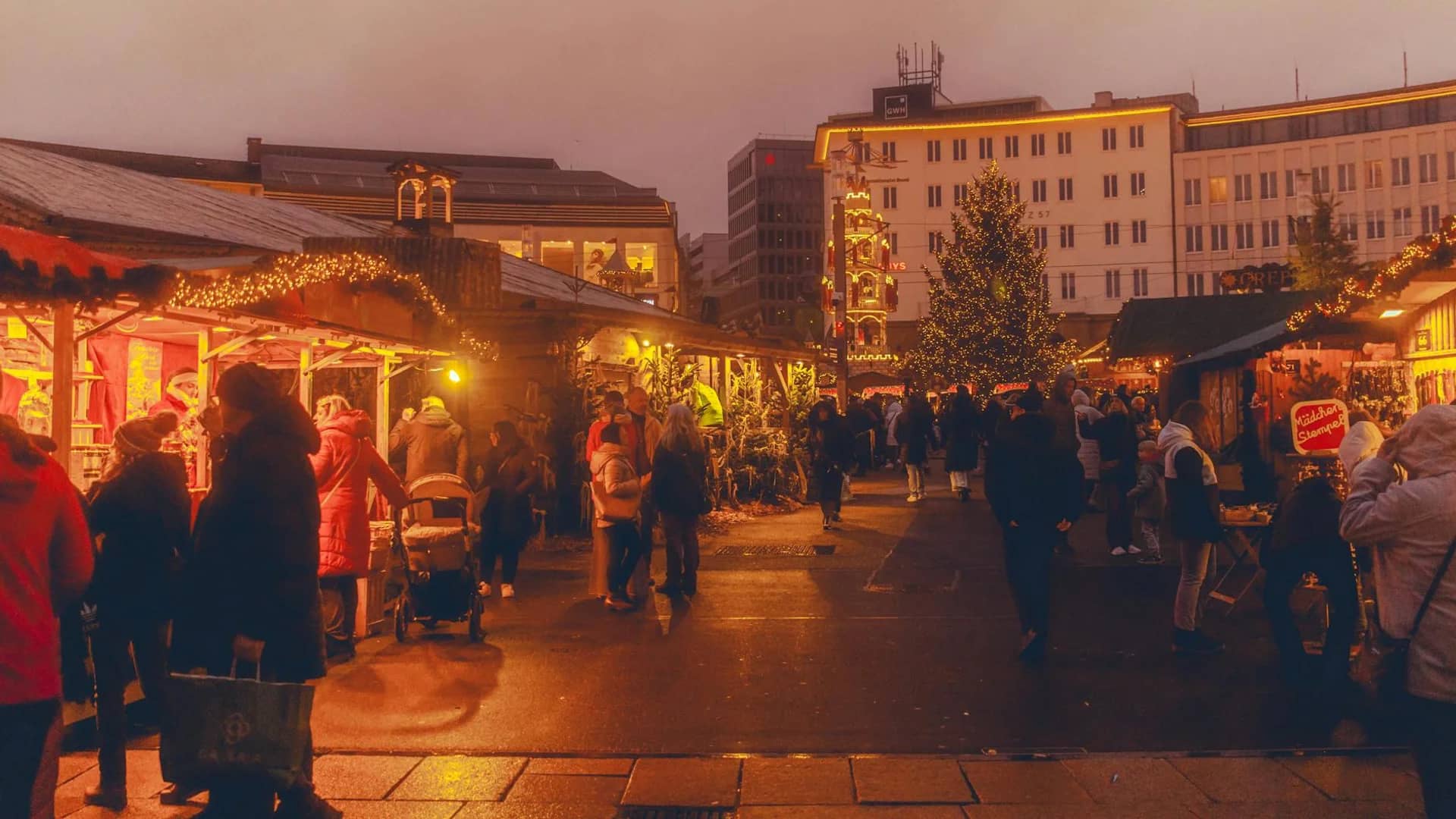
Kassel
1 Market
Explore 1 Christmas market
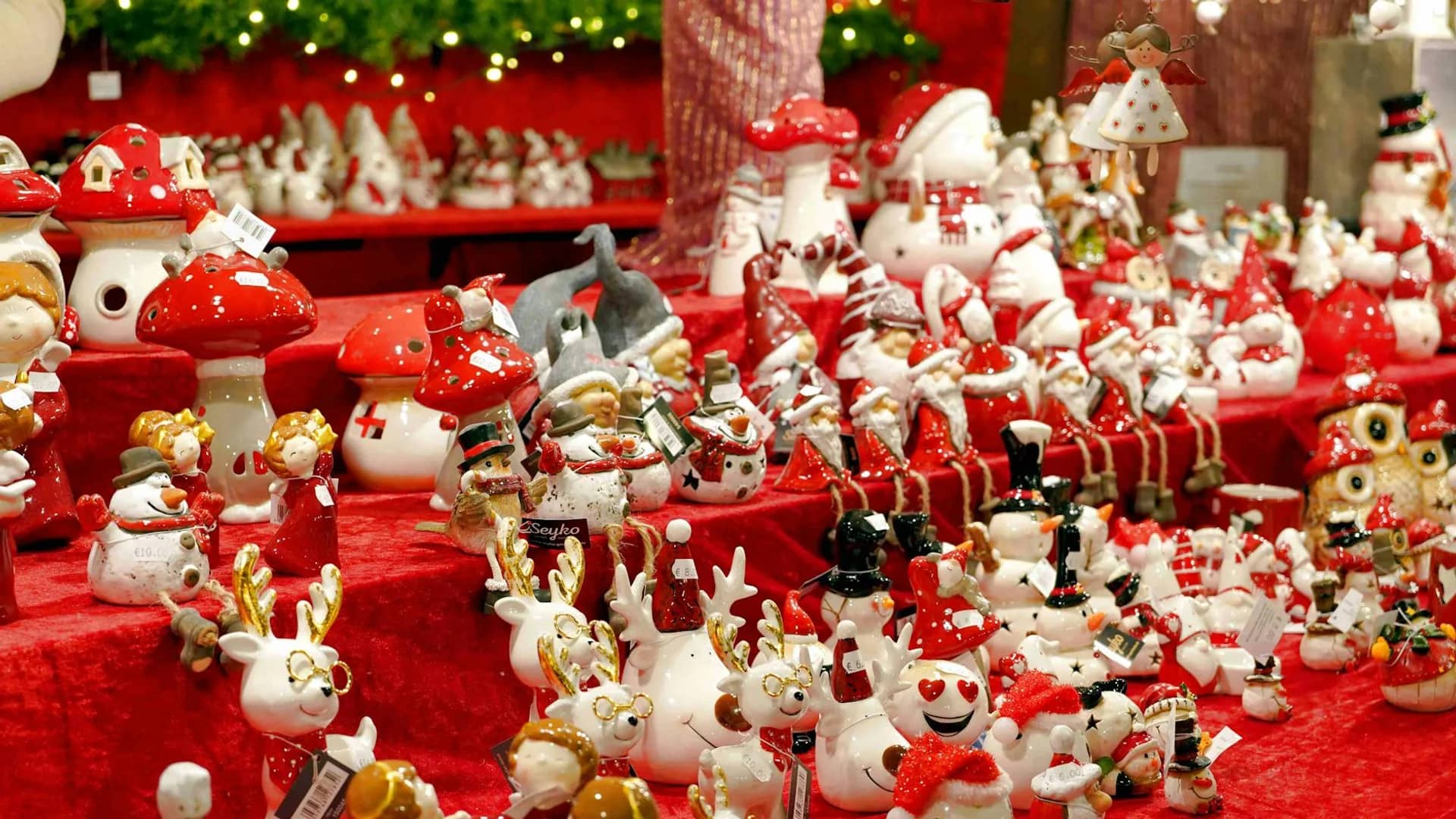
Goslar
3 Markets
Explore 3 Christmas markets
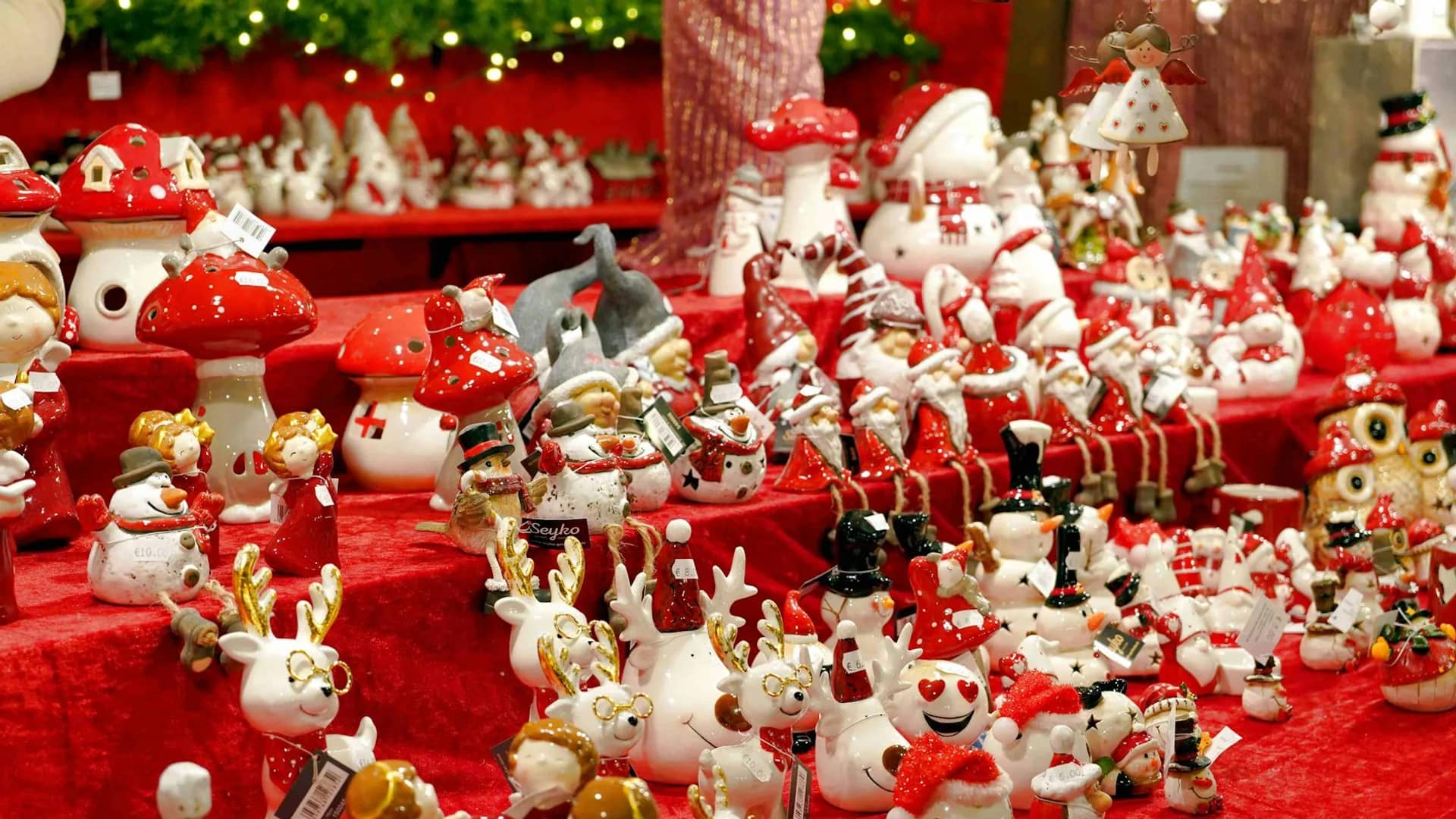
Augsburg
1 Market
Explore 1 Christmas market
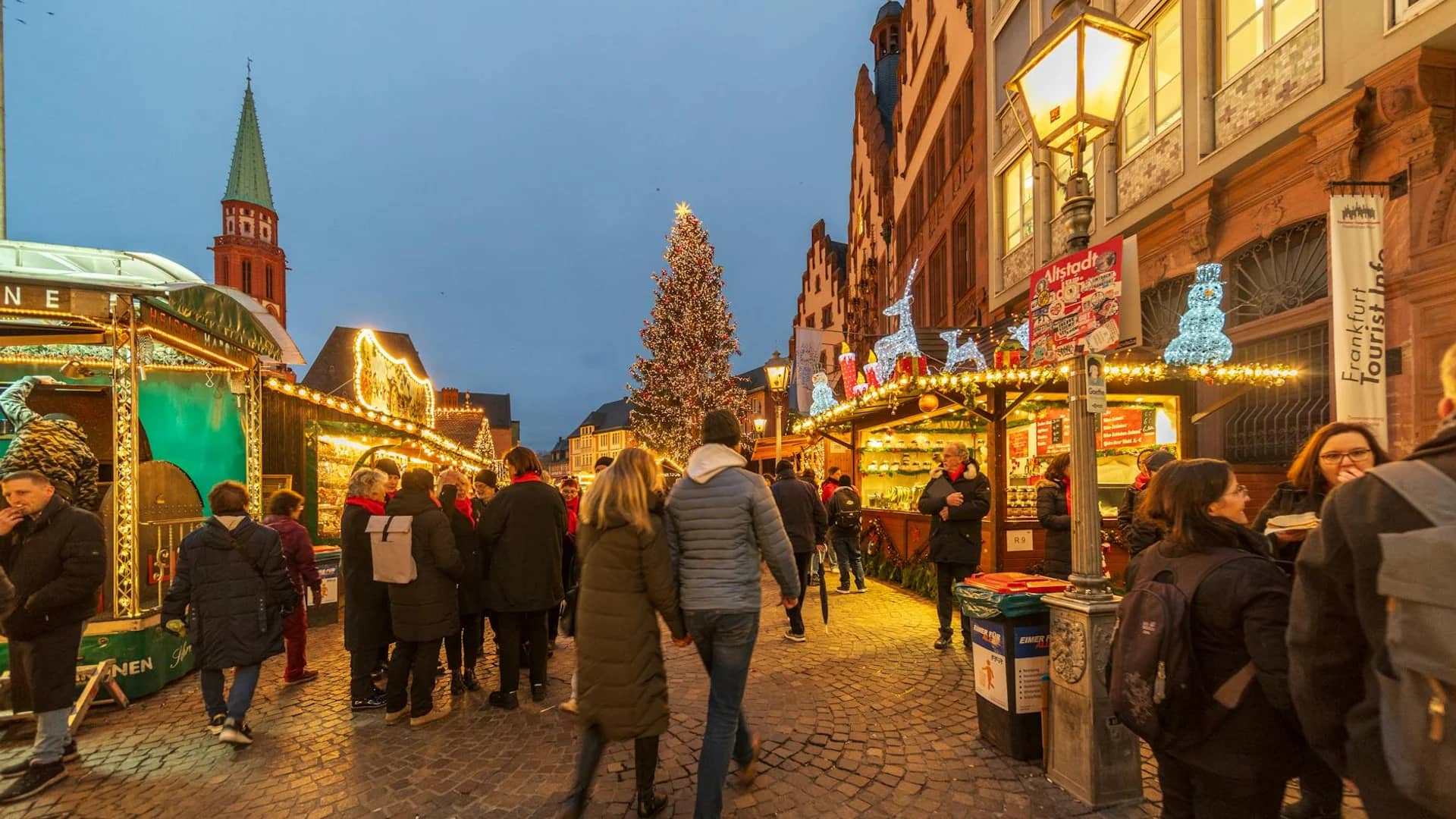
Munster
1 Market
Explore 1 Christmas market
Magdeburg
1 Market
Explore 1 Christmas market
Dinkelsbuhl
1 Market
Explore 1 Christmas market
Kiel
7 Markets
Explore 7 Christmas markets
Celle
1 Market
Explore 1 Christmas market
Speyer
5 Markets
Explore 5 Christmas markets
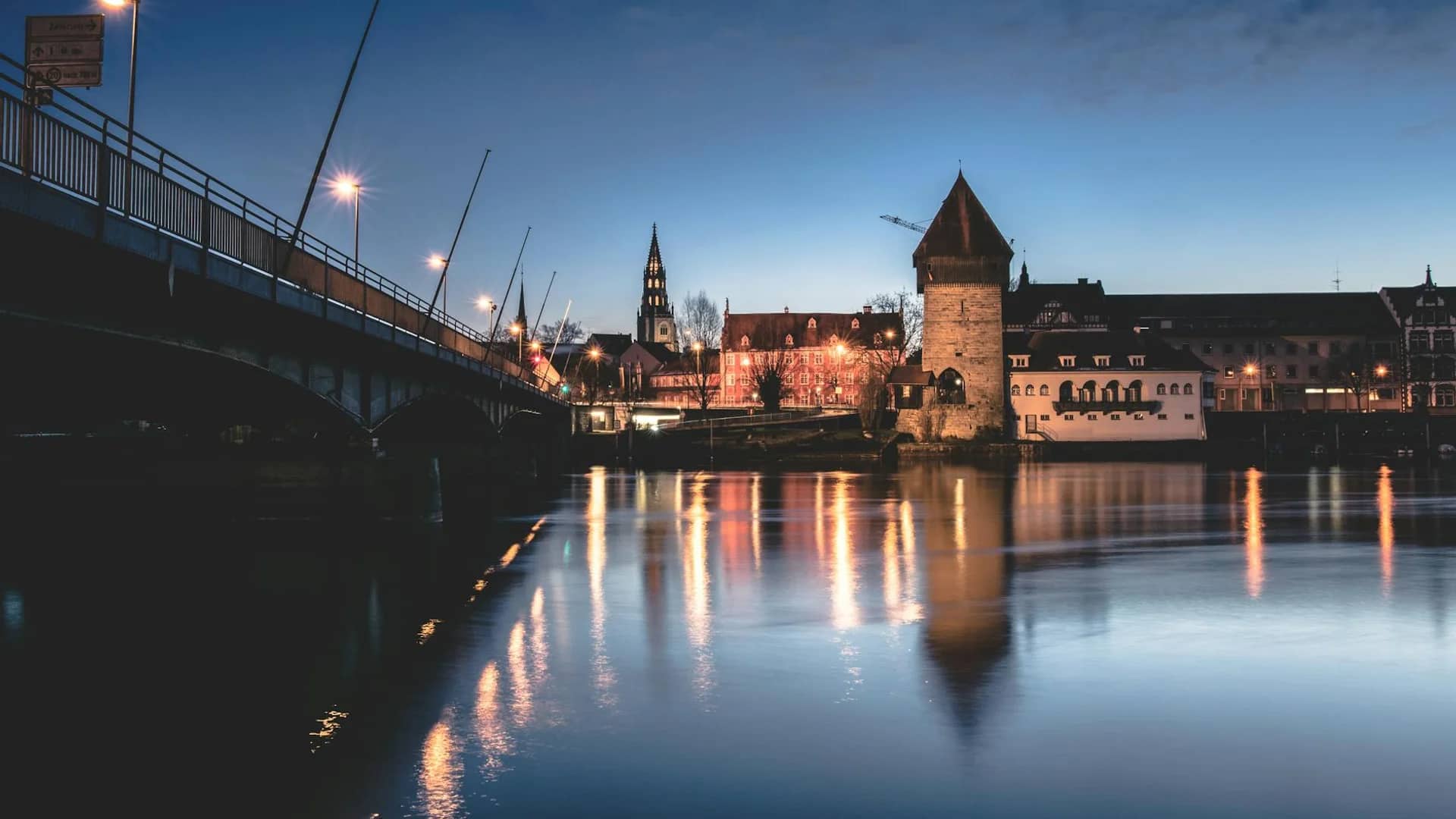
Konstanz
1 Market
Explore 1 Christmas market
Popular Markets in Germany
Discover some of the most beloved Christmas markets
Quick Facts
Tradition & History
German Christmas markets originated in the Late Middle Ages during the 14th and 15th centuries. These markets began as winter gatherings where citizens could purchase goods for the festive season. The tradition evolved during the Reformation era and became deeply embedded in German culture. Different regions developed their own market names and specialties, with some of the oldest markets operating for over 600 years.
Food & Drink
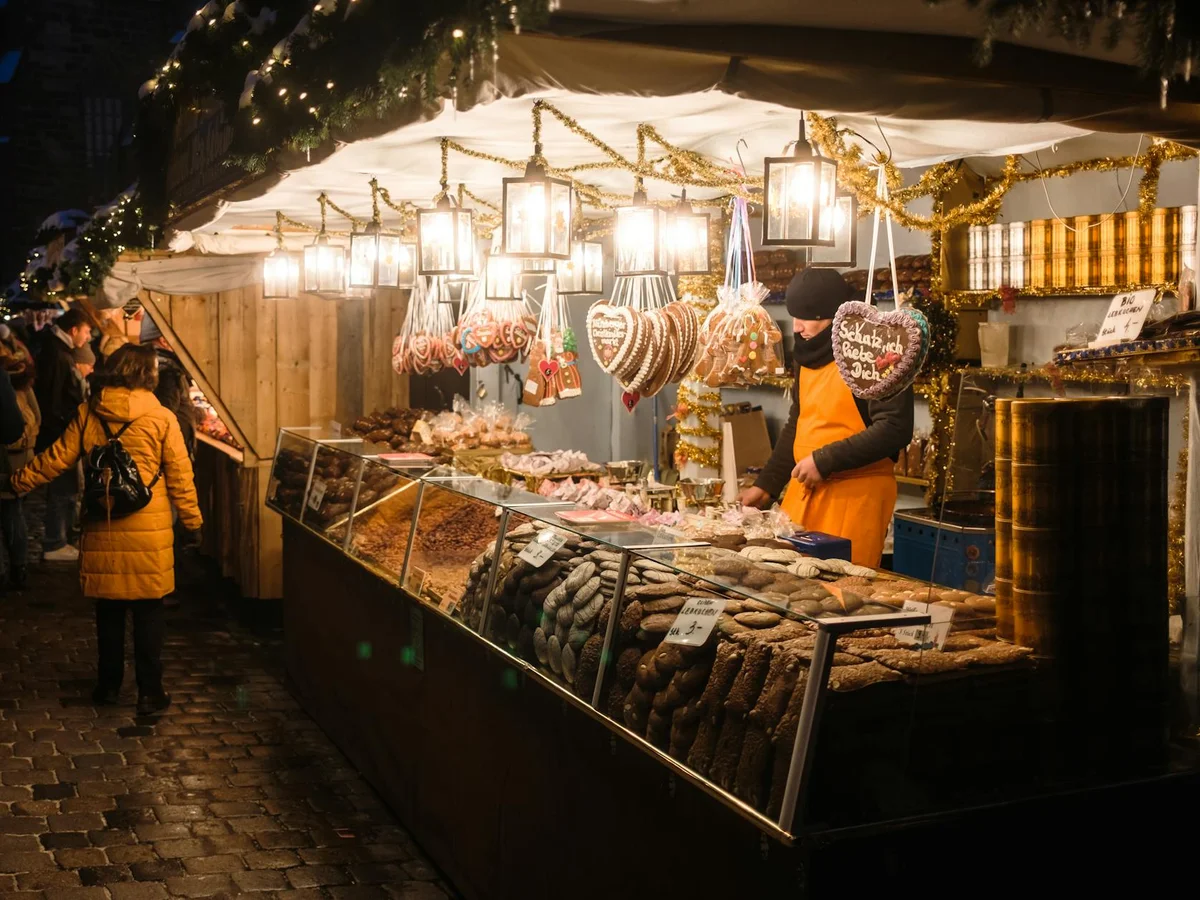
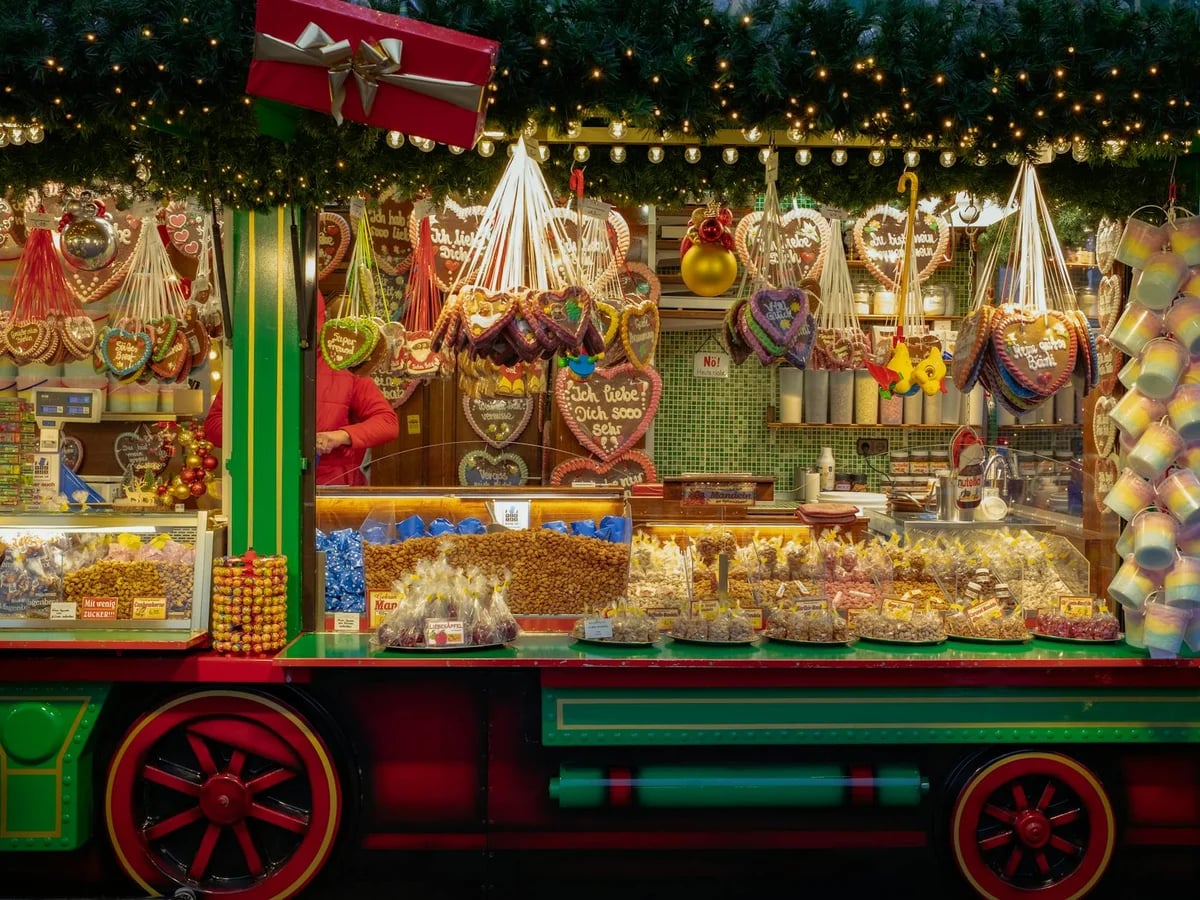
Glühwein (mulled wine), Lebkuchen (gingerbread), Bratwurst (grilled sausage), Christstollen (Dresden fruitcake), Kartoffelpuffer (potato pancakes), Gebrannte Mandeln (candied almonds), Maroni (roasted chestnuts), Reibekuchen, Flammkuchen
Market Season
Advent season (four weeks before Christmas)
Getting Around
Germany has an extensive public transportation system with high-speed ICE trains connecting major cities and regional trains accessing smaller towns. Many historic city centers are pedestrian-friendly, allowing visitors to walk between markets. Deutsche Bahn operates the national rail network and offers various pass options for travelers.
Planning Your Trip
German Christmas markets vary by region, with each city offering unique specialties and atmospheres. Markets typically operate during the Advent season leading up to Christmas. Many stalls prefer cash payments. Visitors should dress warmly as markets are outdoor events. Some markets sell decorative Glühwein mugs that can be kept as souvenirs or returned for a deposit refund. Evening visits offer a different atmosphere when lights illuminate the market stalls.
Frequently Asked Questions
When do Christmas markets in Germany open in 2026?
Most Christmas markets in Germany open in mid-to-late November and run through Christmas, with some continuing into early January 2027. Exact 2026 dates vary by market — check each market's page for confirmed opening and closing dates.
How many Christmas markets are there in Germany?
Our directory lists 314 Christmas markets across 60 cities in Germany, each with dates, locations, and details to help you plan your visit.
Which cities in Germany have the best Christmas markets?
Some of the top cities for Christmas markets in Germany include Berlin, Nuremberg, Munich, Hamburg and Heidelberg. Each hosts markets with its own distinct character — explore the city guides above to compare them.
What are the most popular Christmas markets in Germany?
Among the most popular Christmas markets in Germany are Weihnachtsmarkt Aachen (Aachen), Weihnachtsmarkt Dortmund (Dortmund) and Striezelmarkt (Dresden). See our ranked guide to the best Germany Christmas markets for the full list.
Are Christmas markets in Germany free to enter?
Most Christmas markets in Germany are free to enter, though a few charge a small admission fee for special events or peak evenings. Entry details are listed on each individual market page.
What food and drink can you try at Germany Christmas markets?
Germany's Christmas markets serve seasonal favorites like mulled wine, roasted chestnuts, grilled sausages, and freshly baked festive treats, alongside regional specialties unique to each city.
Ready to Explore Germany's Christmas Markets?
Discover 314+ markets across 60+ cities
Browse All Cities